





Discover the Remarkable Truth About Body Types That Will Make You Feel Beautiful


Most people describe their body types with vague words like “skinny,” “curvy,” or “strong,” but those don’t tell the whole story. In fact, there are scientifically recognized somatotypes—or body types—that help explain your natural build, metabolism, and response to diet and training.
Knowing your body type can guide you toward better nutrition choices and smarter workouts. In this guide, we’ll break it all down, provide a self-assessment quiz, explain each type in detail, and even cover hybrid body types. You’ll also find a detailed FAQ section at the end to clear up the most common questions people have about somatotypes.
The Science Behind Body Types
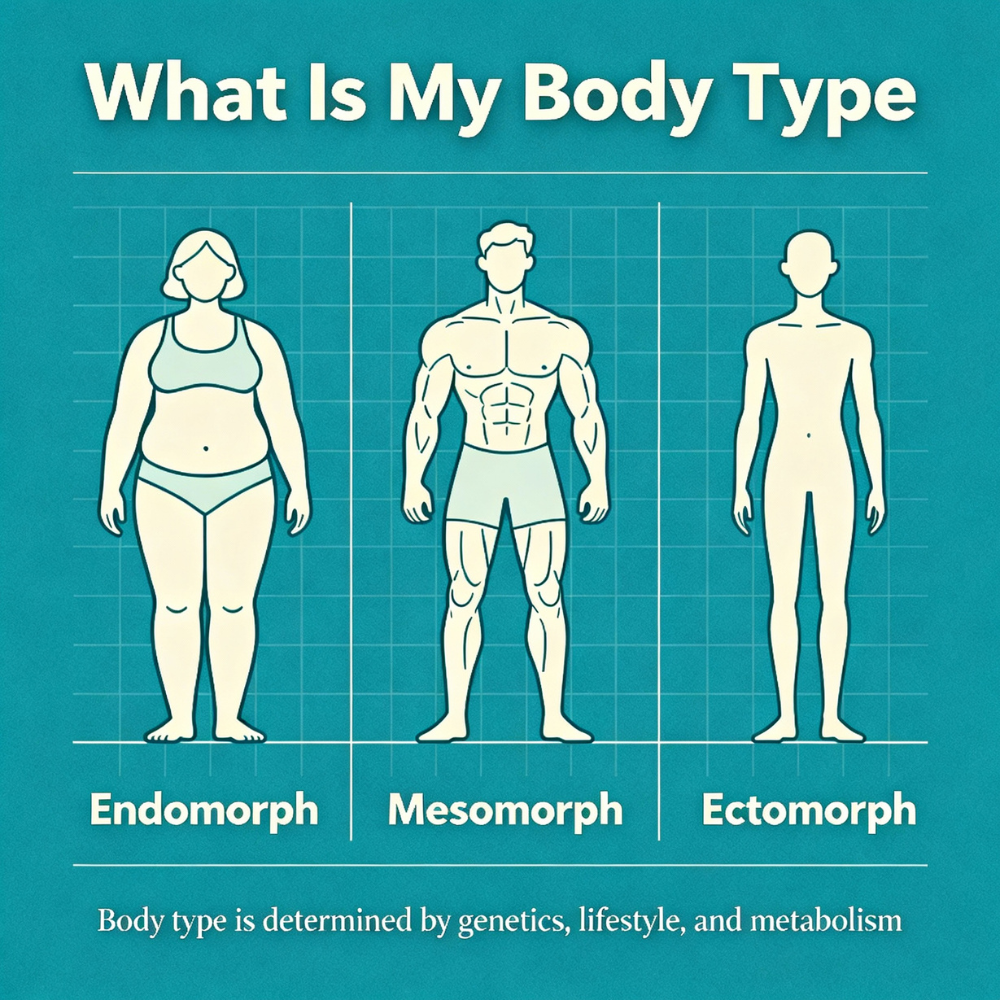
The classification of body types, known as somatotypes, originated in the 1940s. At first, experts thought body type was linked to personality traits, but modern science has shown that personality has little to do with it. However, the physical distinctions—such as bone structure, fat storage, hormonal response, and muscle growth—are very real.
These categories aren’t just for curiosity; they’re still used today in fitness and athletic training. Coaches often design training and diet plans based on someone’s body type to maximize performance and results.
There are three core body types:
- Ectomorphs – Naturally lean and slim with difficulty building muscle.
- Mesomorphs – Naturally muscular and athletic, able to gain or lose weight easily.
- Endomorphs – Naturally fuller, with a tendency to gain weight more easily.
Many people fall into a hybrid category, which means they share traits of two different types.
Quick Body Type Quiz
To find out which type you are, answer the following questions honestly.
- When you look in the mirror, what stands out most?
A. Bone structure
B. Muscle definition
C. Body fat - How do your shoulders compare to your hips?
A. Narrower
B. Same width
C. Wider - Which shape describes your body best?
A. Pencil
B. Hourglass or V-shape
C. Pear - Wrap your thumb and middle finger around your wrist. What happens?
A. They overlap
B. They just touch
C. There’s a gap - How does your weight typically behave?
A. Hard to add muscle or fat
B. Easy to gain and lose
C. Gain weight easily, hard to lose - How did your frame look as a young adult?
A. Long and lanky
B. Compact and solid
C. Rounded or full - If you stop exercising for a while, what happens?
A. Lose strength quickly
B. Not much changes
C. Gain fat and lose tone - When you wear fitted jeans, where do they cling?
A. Nowhere—too loose unless belted
B. Tight on thighs
C. Tight on hips or belly - After a carb-heavy meal:
A. I feel the same
B. I feel full but good
C. I feel bloated or tired - How would you describe your bone structure?
A. Small
B. Medium
C. Large
Scoring:
- Mostly A’s = Ectomorph
- Mostly B’s = Mesomorph
- Mostly C’s = Endomorph
- Mixed answers = Hybrid type (A+B = Ecto-Mesomorph, B+C = Meso-Endomorph, A+C = Ecto-Endomorph)
Body Type Profiles
Ectomorphs
Ectomorphs are naturally slim with long limbs, small joints, and narrow shoulders and hips. They have fast metabolisms and often struggle to gain muscle or weight, even if they eat a lot.
The ectomorph body type is one of the three main somatotypes and is generally characterized by a naturally slim, lightweight frame. People with this build often hear friends say things like, “You’re so thin, you must eat whatever you want without gaining weight!” While that can sound positive, ectomorphs face unique challenges when it comes to building strength, gaining muscle, or even maintaining energy levels.
Key traits:
- Lean with low body fat
- Small frame and joints
- Difficulty gaining muscle mass
- High energy, fast metabolism
Best approach:
- Strength training with heavier weights
- Moderate to high calorie intake
- Higher carb intake to fuel metabolism
Mesomorphs
Mesomorphs have the so-called “athletic build” with broad shoulders, a narrow waist, and muscular arms and legs. They tend to build muscle easily and can lose fat fairly quickly as well.
Key traits:
- Naturally muscular
- Responds well to exercise
- Can gain or lose weight without much effort
- Medium frame and balanced proportions
Best approach:
- Mix of strength training and cardio
- Moderate calorie intake with slightly higher protein
- Versatile response to most fitness programs
Endomorphs
Endomorphs typically have a softer and wider build, with a natural tendency to store fat. While it may be more challenging for them to lose weight, their structure can also give them immense strength.
Key traits:
- Larger frame with wider hips
- Higher body fat levels
- Gains weight easily
- Slower metabolism
Best approach:
- Focus on cardio and high-intensity workouts
- Lower-carb, higher-protein diet
- Consistent calorie control
Hybrid Body Types
Ecto-Mesomorphs
Lean and muscular at the same time, ecto-mesomorphs often look like fitness models. They have a V-shaped torso and an athletic build without excessive bulk.
Meso-Endomorphs
Strong and powerful-looking but with a tendency to carry extra fat. This is common among bodybuilders and athletes in contact sports.
Ecto-Endomorphs
Slim bone structure but with extra body fat from lifestyle factors like poor diet or low activity. This hybrid benefits most from intense training and a lower-carb approach.
Why Knowing Your Body Type Matters
Understanding your somatotype isn’t about putting yourself in a box—it’s about tailoring your lifestyle to your body’s needs. The truth is, anyone can improve their body composition, regardless of type. But knowing whether you’re an ectomorph, mesomorph, endomorph, or hybrid helps you:
- Set realistic fitness goals
- Stick to diets that actually suit your metabolism
- Optimize workouts to get results faster
- Understand why some strategies work for you but not for others
Final Thoughts
Your body type is like your starting blueprint—it shapes how easily you gain or lose weight, build muscle, or store fat. But remember, it doesn’t limit what’s possible. With diet, consistent training, and tailored strategies, everyone can move closer to the physique and fitness goals they want.
Whether you’re a lean ectomorph, a powerful mesomorph, a curvy endomorph, or somewhere in between, the best approach is to work with your natural build instead of fighting against it.
FAQs
Do body types really exist, or is this just a theory?
Yes, body types are observable physical patterns, though few people fit into a category 100%. Many are hybrids, and lifestyle can also alter your appearance.
Can I change my body type?
You can’t rewrite your bone structure or genetics, but lifestyle changes can shape how your body looks. For example, an ectomorph can put on muscle, and an endomorph can lose fat, even though their core build remains consistent.
Which body type builds muscle fastest?
Mesomorphs are naturally primed to build muscle quickly. They tend to see results faster than ectomorphs or endomorphs.
Which body type has the hardest time losing fat?
Endomorphs typically find fat loss more challenging due to slower metabolism and easier fat storage. However, with the right plan, results are definitely possible.
Are athletes usually mesomorphs?
Many athletes have mesomorphic traits since this type is naturally muscular and strong. But some sports favor ecto-mesomorphs (sprinters, swimmers) or meso-endomorphs (football players, wrestlers).
Can women be ectomorphs or mesomorphs, too?
Absolutely. Both men and women fit into somatotypes. For example, women who are ectomorphs may appear very lean with long limbs, while mesomorph women may look naturally athletic.
Why do some people look like hybrids?
Because very few people match one category perfectly. Lifestyle, diet, training, and genetics can combine to give you features of two types simultaneously.
Which diet is best for ectomorphs?
Ectomorphs should consume more carbs and calories to prevent muscle breakdown and fuel workouts. Protein is essential for muscle growth, but carbs play a bigger role for this type.
Which diet is best for endomorphs?
Lower-carb, higher-protein diets are more effective for fat loss in endomorphs. Including healthy fats also provides long, sustaining energy.
Do body types affect health risks?
Yes. Endomorphs are more prone to obesity-related conditions like diabetes, while ectomorphs may face challenges with nutrient deficiencies if they don’t eat enough. Mesomorphs generally have fewer difficulties but can gain fat quickly if they overeat.