




Amazing Mewing Before and After Secrets That Will Shock You


Mewing before and after has become one of the most viral beauty and health trends in recent years. Originating as a dental posture technique, it is now widely shared on platforms like TikTok and YouTube, where users claim it can define the jawline, straighten teeth, improve breathing, and even alleviate sleep apnea. But does it really work, or is it just another social media craze?
Below is a detailed breakdown of what mewing is, how it started, how to practice it, its possible benefits and limitations, and what experts say about the trend.
What Is Mewing before and after?
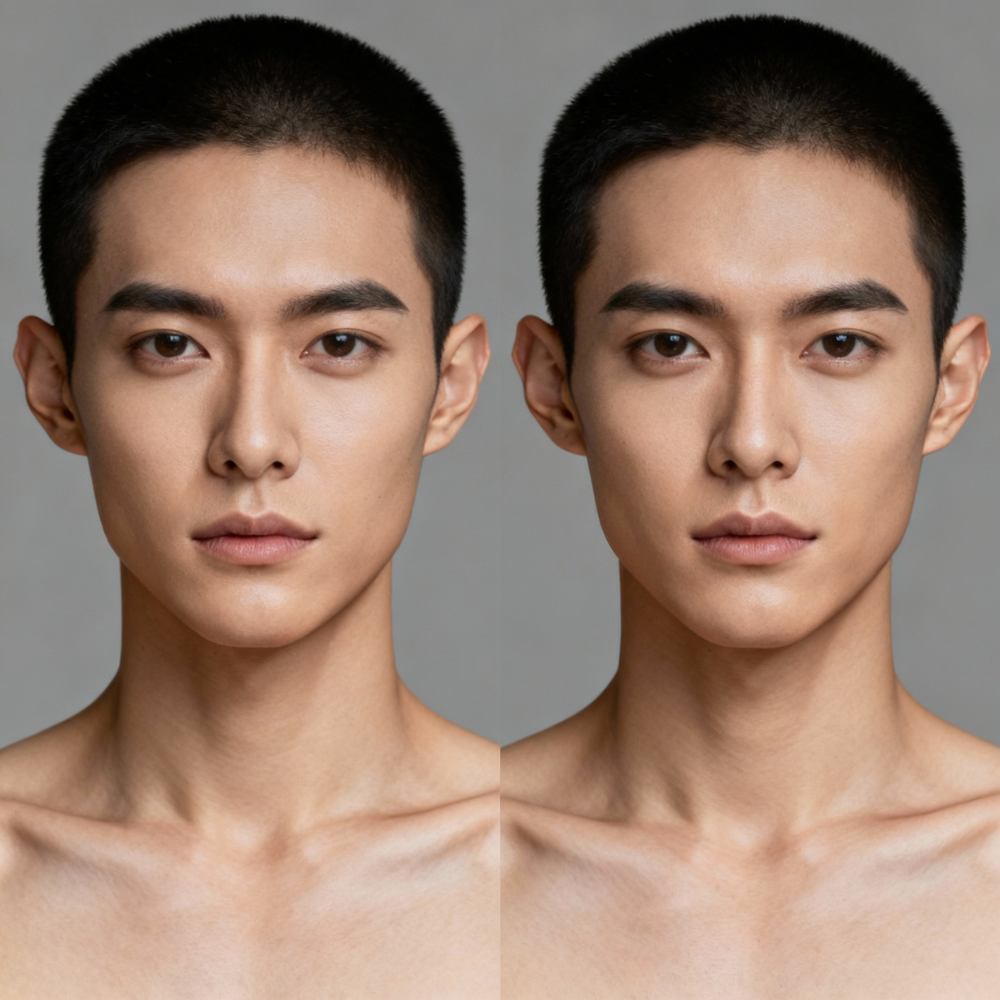
Mewing is a technique that involves resting the tongue against the roof of the mouth instead of the bottom. Supporters believe that this subtle but consistent adjustment in oral posture can gradually reshape the face, improve dental alignment, and enhance overall oral health.
The basic concept is simple: close your lips, keep your teeth lightly together, and press the tongue flat against the palate (roof of the mouth). With practice, it is suggested that this posture becomes second nature.
Where Did Mewing Come From?
The Role of John Mew
The term mewing before and after comes from British orthodontist Dr. John Mew, who developed the concept through orthotropics, a lesser-known branch of orthodontics. Orthotropics focuses on correcting oral posture—specifically the position of the tongue, lips, and jaw—to improve facial balance and dental development.
Orthotropics vs. Traditional Orthodontics
Traditional orthodontics relies on braces, aligners, and surgical interventions to correct alignment. Orthotropics, on the other hand, emphasizes posture training and facial muscle development, particularly during early growth years.
The idea behind mewing is that proper oral posture encourages the jaw to grow forward and outward, instead of down and backward, which could reduce crowding and improve facial harmony.
Why Is Mewing before and after Popular Today?
Mewing before and after gained traction on the internet around 2019, largely fueled by social media influencers showcasing dramatic before-and-after results. On TikTok alone, the hashtag #mewing has amassed billions of views. Unlike braces or surgery, mewing seems accessible—free, simple, and something anyone can try at home.
The promise of achieving a sharper jawline without cosmetic procedures appeals to younger audiences seeking fast, non-invasive beauty trends.
How to Practice Mewing before and after
The technique sounds easy but requires mindfulness and consistency.
Step-by-Step Mewing Guide
- Close your lips so they’re lightly sealed.
- Keep your teeth just touching, not clenched.
- Flatten your tongue against the roof of your mouth.
- The tip should rest just behind the upper front teeth (without pressing against them).
- The middle and back of the tongue should also press upward.
- Maintain this posture while breathing through your nose.
- Try to hold the position throughout the day, even when drinking water.
How Long Before You See Results?
Advocates suggest that some changes may appear within months, but more significant results could take years. Experts, however, remain unconvinced that posture alone can significantly reshape adult bone structure or facial features.
Claimed Benefits of Mewing
Supporters list a wide range of potential improvements, including:
- A more defined jawline
- Straighter teeth without braces
- Better posture and facial symmetry
- Reduced double chin
- Relief from jaw tension
- Improved nasal breathing
- Reduced risk of sleep apnea
These claims, however, are largely anecdotal and not supported by high-quality studies.
What Experts Say About Mewing
Most orthodontists and oral health professionals are skeptical about mewing’s effectiveness.
Scientific Perspective
- Lack of Clinical Evidence: No large-scale, peer-reviewed studies confirm that tongue posture alone can reshape adult bone structure.
- Genetics Matter Most: Experts emphasize that jaw size and facial development are primarily genetic. Environmental influences, like diet or oral habits, may play a role during childhood but not in adulthood.
- Force Is Not Enough: Studies show that teeth require at least six hours of continuous force to shift slightly. Mewing does not generate the same pressure as orthodontic devices like braces or expanders.
Expert Opinions
- Dr. Isaac Chinitz (Touro College of Dental Medicine) – Notes that jaw genetics are dominant and mewing cannot substitute orthodontic treatment.
- Dr. Joyce Kahng (Cosmetic Dentist) – Acknowledges oral posture affects jaw placement but stresses that serious corrections require professional supervision.
- Dr. Mitchell Levine (St. Louis University) – Confirms that no reliable evidence supports mewing as an effective long-term treatment.
Risks of Mewing
While mewing is relatively harmless, improper or excessive practice could lead to:
- Jaw fatigue or pain
- TMJ (jaw joint) strain
- Misaligned bite patterns
- Gum recession and loose teeth
More importantly, trying to “self-treat” conditions like sleep apnea, jaw misalignment, or breathing disorders through mewing could delay professional care and worsen symptoms.
The Reality of Mewing Before and After
The impressive before-and-after photos circulating online are often misleading. Many can be explained by:
- Strategic lighting and angles
- Makeup and contouring
- Weight loss
- Puberty or natural development
- Photo editing tools
While consistent oral posture may slightly strengthen facial muscles, experts agree that it is unlikely to produce transformative changes in bone structure, especially in fully developed adults.
Alternatives to Mewing for Jawline and Dental Health
If you are dissatisfied with your jawline or dental alignment, safer and more effective treatments include:
- Orthodontic braces or Invisalign
- Palate expanders (in children and teens)
- Jaw surgery for severe asymmetry or misalignment
- Orofacial myofunctional therapy (to correct harmful oral habits)
- Facial exercises (mild improvements in muscle tone)
Ultimately, a licensed orthodontist or oral surgeon can provide guidance tailored to your needs.
Conclusion
Mewing is a viral tongue posture technique that has drawn attention for its supposed ability to reshape the face and improve oral health. While it may promote awareness of oral posture and nasal breathing, there is currently no scientific evidence that mewing alone can produce significant or lasting changes in jaw structure or facial appearance.
If you are struggling with dental crowding, jaw pain, or breathing issues, it is best to consult a professional orthodontist, dentist, or surgeon rather than relying on internet trends.
FAQs
Is mewing scientifically proven?
No. As of now, no peer-reviewed studies prove that mewing can reshape an adult’s jawline or facial structure. Most evidence is anecdotal.
Can mewing straighten teeth?
Unlikely. Teeth require significant and sustained pressure to shift. Braces or aligners are more effective for straightening.
Does mewing improve breathing?
If practiced with nasal breathing, it may help train better breathing habits. However, it will not cure conditions like sleep apnea on its own.
Is mewing safe for children?
Children can benefit from proper oral posture, but changes in jaw development should be monitored by an orthodontist. DIY techniques could interfere with natural growth.
How long does it take for mewing to show results?
Proponents suggest weeks to years depending on consistency, but scientifically, noticeable structural changes in adults are extremely unlikely.
Can mewing harm your jaw?
Excessive practice or incorrect posture may cause jaw pain, TMJ strain, or bite misalignment.
What’s the best alternative to mewing?
For real improvements in dental or skeletal alignment, orthodontics (braces, aligners, expanders) or surgery are the most reliable options. Myofunctional therapy may also improve oral habits.