




Healthy Pumpkin Recipes Packed with Flavor and Nutrition


When most people think of pumpkin recipes, they imagine sweet treats like pies and lattes that appear every fall. But pumpkin is much more than a seasonal indulgence—it’s a powerhouse of flavor and nutrients that can elevate your diet year-round. Whether you crave a moist pumpkin bread recipe for breakfast, a creamy pumpkin cheesecake recipe for dessert, or a spiced pumpkin roll recipe for gatherings, this guide will show you how to enjoy them in healthier, more balanced ways.
In this article, we’ll explore the nutritional benefits of pumpkin, how to craft wholesome recipes, practical tips for cooking and baking, and step-by-step methods for your favorite dishes. By the end, you’ll have the confidence to enjoy pumpkin in ways that nourish both your body and your taste buds.
1. Why Pumpkin Deserves a Place in Your Diet
1.1 A Nutrient Powerhouse
Pumpkin is rich in vitamins A, C, and E, as well as fiber, potassium, and antioxidants. It’s naturally low in calories yet high in nutrients, making it perfect for maintaining a healthy diet. The bright orange color comes from beta-carotene, which supports eye health and boosts immunity.
1.2 Health Benefits of Pumpkin
- Supports eye and skin health: The beta-carotene in pumpkin converts to vitamin A, protecting your vision and giving skin a healthy glow.
- Promotes heart health: With potassium and fiber, pumpkin helps regulate blood pressure and cholesterol.
- Aids digestion: Its fiber content keeps your digestive system active and balanced.
- Boosts immunity: Vitamin C helps strengthen your immune response, particularly during seasonal changes.
1.3 Fresh vs. Canned Pumpkin
Both fresh and canned pumpkin can be used in your recipes. Fresh pumpkin offers a slightly earthier flavor, while canned pumpkin provides convenience and consistency. If using canned, choose 100% pure pumpkin, not the pre-sweetened pie filling.
2. Building Blocks of Healthy Pumpkin Recipes
2.1 Start with Pure Pumpkin Purée
Pumpkin purée forms the foundation of countless healthy dishes. Its creamy texture adds moisture to baked goods, thickens soups, and replaces fats in recipes. Always use pure purée rather than sweetened versions to control sugar content.
2.2 Smart Ingredient Swaps
- Replace oil or butter with pumpkin purée to cut calories and add fiber.
- Use whole-grain flours instead of refined white flour for a fiber boost.
- Sweeten naturally with honey, dates, or maple syrup instead of refined sugar.
- Add protein and crunch with pumpkin seeds, nuts, or Greek yogurt.
- Choose spices wisely: cinnamon, nutmeg, and ginger highlight pumpkin’s natural sweetness without added sugar.
2.3 Flavor Balance and Texture
Pumpkin is naturally mild and slightly sweet, so balance it with salt, spice, and texture. A pinch of sea salt enhances sweetness, while warming spices make the flavor cozy. For texture, combine soft pumpkin bases with crunchy toppings like nuts or oats.
2.4 Storing and Serving Tips
- Store leftovers in airtight containers.
- Refrigerate baked goods for up to a week or freeze for longer freshness.
- Pumpkin soups and breads reheat beautifully—just warm gently to maintain moisture.
- Pair pumpkin desserts with plain yogurt or fruit for a balanced treat.
3. Healthy Pumpkin Bread Recipe
3.1 Why It Works
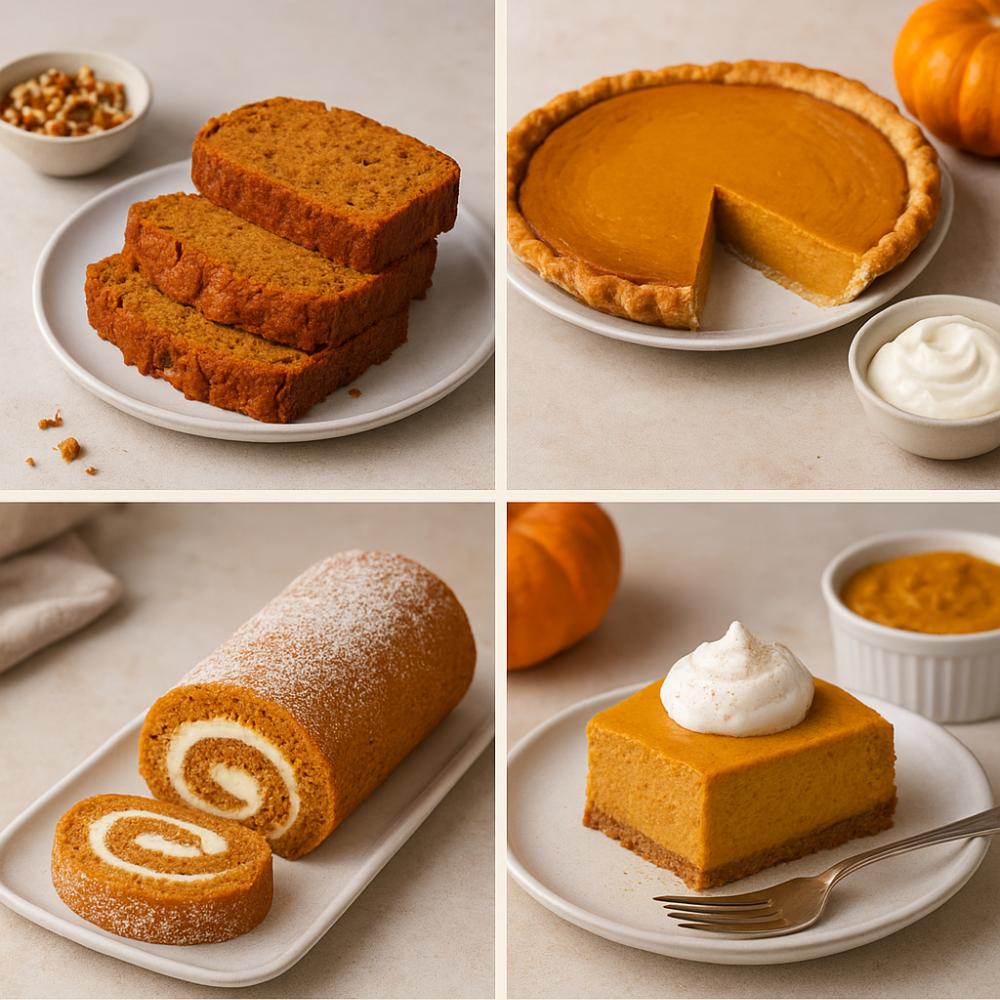
A pumpkin bread recipe is a classic way to enjoy pumpkin’s comforting flavor. By replacing sugar and refined flour with wholesome alternatives, you get a moist, nutrient-rich loaf that feels indulgent but fits a healthy lifestyle.
3.2 Ingredients
- 2 cups whole-wheat flour
- 1 cup pumpkin purée
- ½ cup honey or maple syrup
- 2 large eggs
- ½ cup Greek yogurt or unsweetened applesauce
- 1 teaspoon baking soda
- ½ teaspoon salt
- 1 teaspoon cinnamon
- ½ teaspoon nutmeg
- Optional: ¼ cup chopped walnuts or pumpkin seeds
3.3 Directions
- Preheat oven to 350°F (180°C) and line a loaf pan with parchment paper.
- In a bowl, whisk pumpkin purée, eggs, honey, and yogurt until smooth.
- In another bowl, combine dry ingredients: flour, baking soda, salt, and spices.
- Mix wet and dry ingredients until just combined.
- Pour batter into the pan and bake for 45–50 minutes or until a toothpick comes out clean.
- Cool before slicing.
3.4 Healthy Tips
- Using whole-wheat flour adds more fiber and nutrients.
- Yogurt keeps the bread moist without needing butter.
- Add seeds for extra crunch and omega-3 fats.
3.5 Quick Note
This pumpkin bread stays moist for days and freezes beautifully—slice and store for quick breakfasts or snacks.
4. Healthy Pumpkin Pie Recipe
4.1 A Lightened Classic
Traditional pies are delicious but often rich in cream and sugar. This pumpkin pie recipe maintains the beloved flavor while cutting calories.
4.2 Ingredients
- 1 whole-grain or oat-nut crust
- 2 cups pumpkin purée
- ¾ cup low-fat milk or almond milk
- 2 eggs
- ¼ cup maple syrup
- 1 teaspoon cinnamon
- ½ teaspoon ginger
- Pinch of salt
4.3 Directions
- Pre-bake your crust for 8 minutes at 350°F.
- In a bowl, whisk pumpkin, milk, eggs, syrup, and spices.
- Pour filling into the crust and bake for 50 minutes until set.
- Cool and refrigerate for 2 hours before serving.
4.4 Tips for Perfection
- Use less sugar but more spice for rich flavor.
- Serve with Greek yogurt instead of whipped cream.
- Chill well before slicing for clean cuts.
4.5 Why It’s Healthier
This version uses lighter dairy, natural sweeteners, and a fiber-filled crust. You’ll enjoy the same creamy texture with fewer calories and more nutrients.
5. Healthy Pumpkin Roll Recipe
5.1 Overview
A pumpkin roll recipe makes a visually stunning dessert—spiced cake rolled around a creamy filling. By lightening up the ingredients, you can make it guilt-free.
5.2 Ingredients
For the cake:
- ¾ cup whole-wheat flour
- ¼ cup almond flour
- ½ cup pumpkin purée
- ¼ cup honey
- 3 eggs
- 1 teaspoon baking powder
- ½ teaspoon cinnamon
- Pinch of salt
For the filling:
- 1 cup low-fat cream cheese or Greek yogurt
- 2 tablespoons honey
- ½ teaspoon vanilla extract
5.3 Directions
- Preheat oven to 375°F (190°C). Line a jelly-roll pan with parchment.
- Beat eggs and honey until fluffy, then stir in pumpkin purée.
- Add dry ingredients and fold gently.
- Pour into the pan, bake for 12–14 minutes, and roll in a towel while warm.
- Cool, unroll, spread filling, and re-roll. Chill before slicing.
5.4 Tips
- Do not over-bake; this keeps the cake flexible.
- Add orange zest to the filling for brightness.
- Chill at least one hour before serving for clean slices.
5.5 Nutritional Benefits
This dessert is lower in fat and sugar but high in flavor, fiber, and protein from yogurt and pumpkin.
6. Healthy Pumpkin Cheesecake Recipe
6.1 Why It’s a Crowd-Pleaser
Cheesecake is traditionally heavy, but pumpkin lightens it up while adding moisture and natural sweetness. This pumpkin cheesecake recipe blends indulgence with wellness.
6.2 Ingredients
Crust:
- 1 cup crushed whole-grain crackers or oats
- 2 tablespoons coconut oil
- 1 tablespoon honey
Filling:
- 16 oz low-fat cream cheese
- ¾ cup pumpkin purée
- ⅓ cup maple syrup
- 2 eggs
- 1 teaspoon vanilla
- 1 teaspoon pumpkin spice
6.3 Directions
- Preheat oven to 350°F. Combine crust ingredients, press into pan, and bake for 10 minutes.
- Blend cream cheese and pumpkin until smooth. Add sweetener, eggs, vanilla, and spices.
- Pour filling over crust and bake for 40 minutes until slightly firm.
- Cool and chill for at least 4 hours.
6.4 Tips
- Avoid over-baking; the center should jiggle slightly.
- Use part cottage cheese for extra protein.
- Serve small slices with fruit for balance.
6.5 Benefits
This lighter cheesecake delivers creamy satisfaction with less fat, more nutrients, and a beautiful autumn flavor.
7. More Flavor-Packed Pumpkin Recipe Ideas
7.1 Savory Pumpkin Dishes
Pumpkin isn’t just for dessert—it shines in savory meals too:
- Pumpkin soup: Blend roasted pumpkin with vegetable broth, onions, and thyme.
- Pumpkin pasta sauce: Stir pumpkin purée into whole-grain pasta with garlic and Parmesan.
- Pumpkin chili: Add purée to chili for thickness and subtle sweetness.
- Pumpkin hummus: Mix pumpkin with chickpeas, olive oil, and lemon for a creamy dip.
7.2 Breakfast and Snack Ideas
- Pumpkin oatmeal: Combine oats, pumpkin, cinnamon, and milk for a cozy breakfast.
- Pumpkin protein muffins: Blend pumpkin, oats, eggs, and nuts for on-the-go snacks.
- Pumpkin smoothie: Mix pumpkin, banana, milk, and cinnamon for a nutrient boost.
- Roasted pumpkin seeds: Crunchy and full of zinc, perfect for snacking.
7.3 Why You’ll Love Them
Each dish balances flavor and nutrition while showcasing pumpkin’s adaptability—from sweet to savory, breakfast to dinner.
8. Common Mistakes to Avoid
8.1 Using Pumpkin Pie Filling
Always read the label—pie filling often includes sugar and syrup. Choose plain pumpkin purée to stay in control of ingredients.
8.2 Over-Sweetening
Pumpkin has natural sweetness. Let the spices shine and limit sugar for a balanced flavor.
8.3 Ignoring Texture Adjustments
Pumpkin adds moisture, so too much can make baked goods dense. Adjust flour or baking time accordingly.
8.4 Skipping Salt
A small pinch of salt enhances flavor, even in sweet dishes.
8.5 Limiting Pumpkin to Fall
Pumpkin is available year-round in canned form—use it anytime for soups, breads, and smoothies.
9. How to Make Pumpkin Work Year-Round
9.1 Meal Prep Advantage
Pumpkin purée freezes well in portioned containers. Add it to oatmeal, smoothies, soups, or baked goods throughout the year.
9.2 Nutritional Balance
Pair pumpkin with proteins like eggs, nuts, or yogurt for balanced meals. The fiber helps keep you full longer, while vitamins and minerals support energy.
9.3 Everyday Inspiration
- Add a spoonful of pumpkin to pancake batter.
- Mix into your coffee for a light pumpkin latte.
- Blend into curry for creamy texture.
- Stir into risotto for subtle sweetness.
Mini-Summary
Pumpkin is far more than a seasonal treat—it’s a nutrient-dense, versatile ingredient perfect for every meal. From breakfast muffins to pumpkin pie and cheesecake, you can enjoy it in countless ways without compromising your health goals. Remember: the key to great pumpkin recipes lies in balance—using wholesome ingredients, moderate sweetness, and creativity in both sweet and savory dishes.
Conclusion
Pumpkin is a gift from nature that proves healthy eating doesn’t have to be boring. With its smooth texture, warm flavor, and nutritional benefits, it’s the perfect foundation for delicious and satisfying dishes. Whether you bake a pumpkin bread, whip up a creamy pie, roll a spiced dessert, or craft a rich cheesecake, each pumpkin recipe offers something nourishing and comforting. By making mindful ingredient choices, you’ll transform pumpkin into your secret weapon for flavorful, health-forward cooking all year long.
FAQs
1. Are pumpkin recipes good for weight loss?
Yes. Pumpkin is low in calories and high in fiber, helping you feel full longer, making it a great ingredient for balanced meals.
2. What’s the difference between canned and fresh pumpkin?
Fresh pumpkin has a slightly lighter flavor, while canned pumpkin offers consistency and convenience. Both are nutritious if unsweetened.
3. Can I replace butter or oil with pumpkin in baking?
Absolutely. Substitute half the fat with pumpkin purée for moist, lower-calorie results.
4. Which pumpkin recipe is the healthiest?
Pumpkin bread and pumpkin soup tend to be healthiest when made with whole-grain ingredients and minimal sweeteners.
5. How long does pumpkin purée last?
Store refrigerated for up to a week or freeze for three months in airtight containers.
6. Can I use pumpkin in savory recipes?
Yes! Try it in soups, pasta sauces, or curries—it adds natural creaminess and depth of flavor.
7. Is pumpkin cheesecake healthier than regular cheesecake?
It can be. Using pumpkin purée, light dairy, and smaller portions makes it a more nutritious, satisfying dessert.