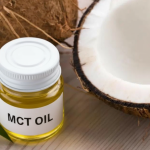





How to Easily Exploit MCT Food for Quick and Stunning Results


Medium-chain triglycerides (MCTs) are a class of dietary fats that the body absorbs and metabolizes more quickly than most long-chain fats, making them a popular option for quick energy and low‑carb lifestyles. They commonly MCT Food come from coconut and palm kernel oils and occur in smaller amounts in dairy foods like milk, butter, cheese, and yogurt. Because most food sources are high in saturated fat, balancing overall intake and personal risk factors is essential.
How MCTs differ from other fats
MCT Foods are shorter molecules, so they move from the gut to the liver faster and can be used for energy more readily than typical long-chain dietary fats. This rapid handling is why MCTs show up in products aimed at energy support, appetite management, and ketogenic diet adherence. By contrast, traditional fats require more complex digestion, are absorbed more slowly, and are more likely to be stored if calorie intake exceeds needs.
Health context and caution
The evidence for weight loss or performance benefits is mixed and still developing, with many studies small in size or short in duration. People with heart concerns or elevated LDL cholesterol should be especially mindful of saturated fat sources, even those supplying MCTs, and should personalize intake with a clinician or dietitian. When introducing MCT-rich foods or supplements, starting low and ramping slowly helps minimize digestive discomfort.
Coconut oil: uses and pairing tips
Coconut oil is rich in lauric acid, a medium-chain fatty acid commonly included in MCT products, and is often used in dressings or low-heat cooking. Since it contributes mostly fat without much protein, fiber, or micronutrient support, pairing with lean protein, high-fiber carbs, and vegetables creates a more balanced meal. Think coconut-oil vinaigrette over greens with grilled chicken and quinoa, or a drizzle on roasted vegetables paired with legumes.
Palm kernel oil: what to know
Palm kernel oil contains meaningful MCT Food content per tablespoon but is less common for home cooking and appears more in processed foods like coffee creamers and margarines. When reading labels, note that palm kernel oil differs from palm oil; they have different fatty acid profiles and culinary uses. As with any refined fat, portion awareness matters.
Coconut meat and cream: versatile options
Coconut meat and coconut cream provide modest MCT Food amounts per serving along with texture and flavor for snacks and recipes. Chunks in smoothies, shreds on yogurt, or coconut cream swirled into curries add variety without relying solely on bottle oils. These forms also contribute other compounds associated with antioxidant and anti‑inflammatory effects, though overall dietary pattern is the bigger driver of health outcomes.
Butter and whole milk: small amounts, broader trade-offs
Butter and whole milk contribute smaller amounts of MCTs but are also sources of saturated fat. Some observational research suggests neutral or context-dependent outcomes for dairy, but those findings don’t erase the importance of moderating saturated fat for people with high cardiovascular risk. Practical strategies include choosing smaller portions, using butter for flavor finishing rather than bulk cooking fat, and considering low‑fat or fermented dairy options where appropriate.
Cheese and Greek yogurt: protein-forward picks
Cheese and Greek yogurt provide modest MCTs relative to coconut-derived sources and bring protein and culinary flexibility. Portion control is key with cheese; pairing with whole‑grain crackers, fruit, or salads keeps meals satisfying without excessive saturated fat. Greek yogurt can support gut-friendly meal patterns and higher protein breakfasts; topping with fiber-rich berries and nuts creates a balanced macro profile for sustained satiety.
Who might consider MCTs—and who should be cautious
- Potential candidates: individuals experimenting with ketogenic or low‑carb eating, those seeking quick energy for specific training contexts, or people with certain clinical needs under supervision (e.g., fat malabsorption protocols).
- Use caution: those with elevated LDL cholesterol, familial hypercholesterolemia, atherosclerosis, high coronary calcium scores, liver disease, or significant cardiometabolic risk. For these groups, carefully monitor saturated fat, choose overall heart‑healthy patterns (e.g., extra‑virgin olive oil, nuts, seeds, legumes, vegetables), and consult clinicians before adding concentrated MCT Food.
How to add MCTs without overdoing it
- Start low: ½–1 teaspoon of MCT oil with food to assess tolerance; gradually increase if desired.
- Emphasize food-first: coconut in smoothies, Greek yogurt bowls, or modest coconut‑oil dressings provide variety without leaning heavily on supplements.
- Keep the plate balanced: include lean protein, high‑fiber carbs, and vegetables to offset the nutrient sparsity of pure fats.
- Choose cooking methods wisely: use MCT oil for cold prep or low heat; for most sautéing and roasting, heart‑healthy oils with suitable smoke points (like olive or avocado) are more versatile.
- Track the bigger picture: total saturated fat, fiber intake, calorie balance, and activity levels shape outcomes more than any single ingredient.
Sample day with mindful MCT use
- Breakfast: Greek yogurt with berries, chia, and a teaspoon of shredded coconut; coffee without added oils for most people, or a small amount of MCT oil if tolerated.
- Lunch: Salad with leafy greens, grilled chicken, quinoa, colorful vegetables, and a light coconut-oil and lime vinaigrette.
- Snack: Apple slices with a small piece of cheddar or a handful of nuts.
- Dinner: Lentil and vegetable curry finished with a spoon of coconut milk; side of brown rice; roasted broccoli.
- Notes: This pattern balances modest MCT intake, fiber, protein, and micronutrients while avoiding reliance on large doses of isolated fats.
Benefits and limits
- Quick energy availability: MCTs are rapidly absorbed and can be used for fuel or ketone production, which some find helpful for cognitive tasks or training sessions.
- Appetite and weight: some studies suggest small reductions in calorie intake or support for satiety, but results vary, and overall diet quality and activity remain decisive.
- Gut and immunity: in vitro and preliminary work hints at antimicrobial effects of certain MCTs; human evidence is still limited.
- Exercise and cognition: findings are mixed on performance and cognitive effects; individual response, dose, and context matter.
Risks and side effects
- Digestive upset: nausea, cramping, and diarrhea are common with higher or fast-introduced doses—start small and take with food.
- Lipids: as saturated fat sources, MCT-rich diets may raise triglycerides or LDL in some; HDL increases don’t guarantee net benefit.
- Liver and caloric load: large, prolonged intakes can contribute to excess calories and potential hepatic fat accumulation; moderation is prudent.
- Interactions and conditions: consult a clinician if managing diabetes, liver disease, lipid disorders, or taking medications that could interact with dietary shifts.
Practical buying and labeling tips
- Composition: look for products emphasizing C8 (caprylic) and C10 (capric) if seeking rapid ketone support; many refined MCT oils minimize lauric acid.
- Purity and processing: fractionated coconut-based products are common; check for additives if choosing powders.
- Use case fit: liquid oils for coffee, smoothies, and dressings; powders for portability and mixability.
- Sustainability: if using palm-derived products, consider certifications aligned with environmental standards.
- Tolerance: individual GI tolerance differs; small bottles are smart for testing.
Description
MCTs can be a practical tool for quick energy and ketogenic strategies, but they’re not a shortcut to health or weight loss. The biggest gains come from an overall pattern: plenty of plants, adequate protein, high fiber, smart fat choices, consistent movement, and sleep. If adding MCTs, use small amounts, pair with nutrient‑dense foods, and tailor choices to health status and goals with professional guidance.
FAQs
Q: What is MCT oil, in simple terms?
A: It’s a concentrated source of medium‑chain triglycerides—fats the body absorbs quickly for energy—typically refined from coconut or palm kernel oil.
Q: Is MCT oil the same as coconut oil?
A: No. Coconut oil contains a mix of fatty acids, while MCT oil is refined to concentrate specific medium‑chain fats (often C8 and C10) for faster absorption.
Q: How much should a beginner take?
A: Start with ½–1 teaspoon with food to gauge tolerance, then increase gradually toward 1–2 teaspoons or up to 1 tablespoon as personally tolerated. Large doses increase the risk of GI side effects.
Q: Can MCT oil help with weight loss?
A: It may modestly support satiety or calorie control in some contexts, but results are mixed. Calorie balance, fiber intake, protein adequacy, and activity are far more influential.
Q: Is MCT oil good for keto?
A: Yes, many use it to support ketone production and energy on low‑carb diets. Still, whole‑food fats and overall nutrient balance matter.
Q: Can MCT oil raise cholesterol?
A: MCT-containing diets can affect lipids, and responses vary. Those with elevated LDL or heart disease risk should limit saturated fat overall and work with a clinician.
Q: What are common side effects?
A: GI discomfort—bloating, cramping, diarrhea—especially with higher amounts or when taken on an empty stomach. Go low and slow, and take with meals.
Q: Can it be used for cooking?
A: It’s better suited for cold uses or low heat. For general cooking, consider oils with suitable smoke points and stronger evidence for heart health, such as extra‑virgin olive oil for most sautéing.