Natural Approaches That Might Help
Exercise and Movement
Moderate activity supports healthy hormone regulation, circulatory health, and stress reduction—all of which affect the menstrual cycle. Yoga, Pilates, and stretching are often recommended for reproductive health, though strong scientific evidence is lacking. Interestingly, overly strenuous exercise can sometimes delay periods, especially in athletes who experience low body fat percentages.
Sexual Activity and Orgasm
An orgasm may stimulate uterine and cervical contractions, which occasionally encourages menstrual bleeding to begin a day or two earlier. However, this effect isn’t guaranteed and should be considered more of a minor possible influence rather than a reliable method.
Stress Reduction
Stress is one of the most common culprits behind a delayed cycle. Elevated cortisol, the stress hormone, disrupts the communication between the brain and ovaries, throwing off cycle timing. Stress reduction techniques—such as mindfulness meditation, deep-breathing exercises, or gentle walking—are not quick fixes but may help restore balance when practiced consistently.
Herbal Remedies
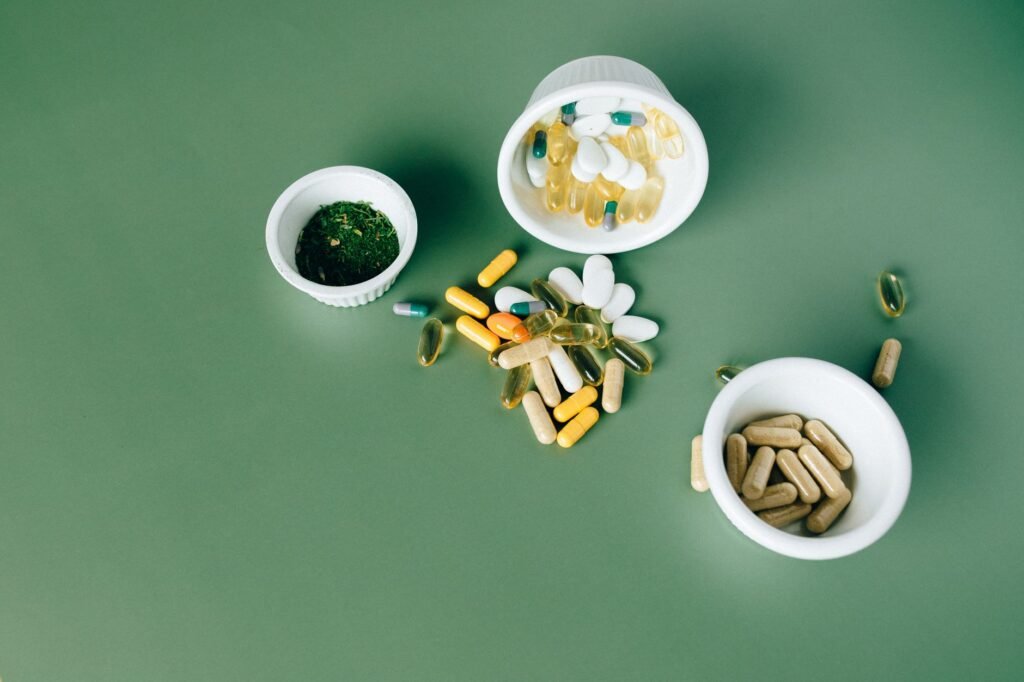
Cultures worldwide have turned to herbal medicine for decades to manage menstrual issues, though most claims lack clear scientific confirmation.
- Black Cohosh: Used for hot flashes, cramps, and hormone balance. However, it may carry potential liver risks and safety concerns for people with hormone-related cancers.
- Dong Quai: Known as “female ginseng” in Chinese medicine, often used for irregular cycles. Side effects like photosensitivity, skin irritation, and drug interactions make medical approval necessary before use.
While these herbs are popular in holistic traditions, clinical evidence remains weak. Always speak with a healthcare provider before considering supplements.
Sleep and Circadian Health
Poor sleep patterns can influence reproductive hormones. People who regularly work night shifts or have inconsistent sleep schedules are more likely to experience irregular cycles. Going to bed at the same time daily and creating a dark, cool, screen-free sleep environment may not induce a period on demand but helps regulate cycles long term.
Hydration
General hydration is important for overall health but has little effect on the direct timing of menstruation. Severe dehydration can suppress cycles, but mild dehydration is unlikely to have an impact.
Medical Options for Inducing Bleeding
When natural attempts aren’t effective, medical options may help:
Hormonal Birth Control
Combination pills (containing estrogen and progesterone) are the most common method used to regulate cycles. They don’t trigger a true menstrual period but cause withdrawal bleeding when hormone intake is paused. Consistent pill use can regulate cycles and ease heavy cramping or bleeding.
Progesterone Therapy
Doctors may prescribe short-term progesterone to induce withdrawal bleeding as both a diagnostic and therapeutic tool. If you bleed after progesterone, it suggests your cycle can respond normally, but if you don’t, it may indicate low estrogen or structural issues.
Other Considerations
Your provider may also check for medical conditions behind irregular or absent cycles, such as:
- Polycystic ovary syndrome (PCOS)
- Thyroid disorders (hypothyroidism or hyperthyroidism)
- Excessive weight changes or eating disorders
- Premature ovarian failure or perimenopause
Sometimes, treatment of these underlying conditions indirectly restores cycle regularity.
When Should You See a Doctor?
Occasional irregularities are common, but recurring issues should not be ignored. Seek medical advice if:
- Your period is consistently more than a week late
- You’ve skipped three or more consecutive cycles
- You have unusually heavy bleeding
- Cramps are severe or worsening over time
- You have trouble conceiving
These could point to hormonal imbalances or chronic conditions requiring treatment.
Risks of Forcing a Period
Inducing a period using medical treatments is relatively safe under supervision, but risks exist. Oral progesterone can cause bloating, mood changes, and acne, while hormonal contraceptives may raise the risk of blood clots or stroke in individuals with certain risk factors (e.g., smokers, people with high blood pressure).
Self-medicating with unregulated herbs is another risk—since purity, dosage, and side effects are not standardized. This is why medical consultation is strongly advised before using supplements.
The Bottom Line
- There is no proven way to force your period to start instantly.
- Natural remedies like stress management, sleep, exercise, and hydration support overall reproductive health but may not directly bring menstruation on demand.
- Medications prescribed by doctors, such as hormonal contraceptives or progesterone therapy, are often the most reliable way to regulate cycles.
- Always rule out pregnancy before attempting to induce menstruation.
- Speak to a healthcare provider if periods are consistently delayed, irregular, or absent.
FAQs
- Can I bring my period early in one or two days?
Possibly, but it isn’t guaranteed. Sexual activity, orgasm, and lifestyle changes may shift your cycle slightly, but you cannot completely control the exact timing.
- Does pineapple or vitamin C actually induce a period?
Pineapple and vitamin C are popular home remedies, believed to increase blood flow to the uterus or boost estrogen. However, there is no solid scientific evidence supporting this.
- Is it safe to drink herbal teas like parsley tea or ginger tea to start your period?
While herbal teas may relax the body and promote general wellness, there is no strong evidence that they trigger menstruation. Always consult a doctor before using strong herbal remedies, especially if you have pre-existing conditions.
- Why is my period late even if I’m not pregnant?
Reasons may include stress, significant weight changes, hormonal conditions like PCOS or thyroid issues, perimenopause, or side effects of certain medications.
- Is it dangerous if my period doesn’t come for several months?
Not always—but it can be a sign of underlying hormonal imbalance, premature ovarian failure, or other medical issues. Medical evaluation is recommended if you miss three consecutive periods.
- Can exercise cause my period to stop?
Yes, very intense exercise combined with low body fat and insufficient nutrition can lead to missed or absent periods. This is common among elite athletes.
- Can birth control pills permanently regulate my cycle?
They can keep your cycles regular while you’re taking them, but once you stop, your natural hormonal cycle resumes, which may or may not be regular depending on underlying causes.