





Pomegranate Juice: Benefits, Nutrition, Side Effects, and More


Pomegranate juice has become one of the most popular health drinks in recent years, thanks to its mix of antioxidants, vitamins, and plant compounds. People enjoy it as a refreshing beverage, but beyond good taste, research has highlighted many potential health benefits. However, like most things, there are also some drawbacks and precautions that should be taken seriously.
In this comprehensive guide, we’ll unpack everything you need to know about pomegranate juice — from its nutritional profile and benefits to weight loss, side effects, and FAQs.
What Makes Pomegranate Juice Special?
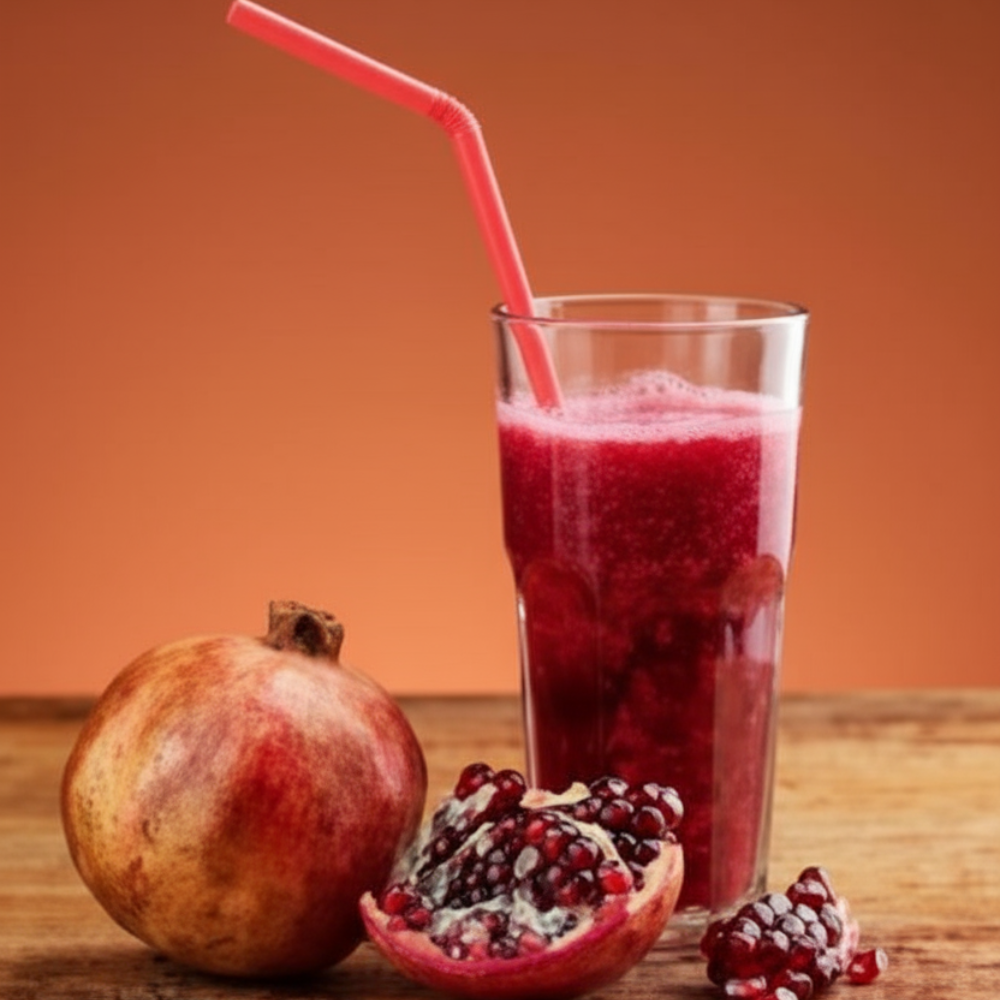
Pomegranate juice is derived from squeezing the ruby-red seeds, also known as arils, of the pomegranate fruit. These seeds are rich in polyphenols, antioxidants, vitamins C and K, potassium, and folate. Unlike many other fruit juices, pomegranate juice is especially high in punicalagins, a type of antioxidant that gives the fruit much of its health reputation.
But while juice is convenient, it’s important to note that it doesn’t deliver all the benefits of consuming whole seeds — particularly fiber, which plays a role in digestion and blood sugar control.
Health Benefits of Pomegranate Juice
Packed With Potent Antioxidants
One of the most well-known attributes of pomegranate juice is its antioxidant power. In fact, research shows that its antioxidant activity is nearly three times higher than that of red wine or green tea. These antioxidants help neutralize free radicals, reducing oxidative stress that contributes to cell damage, aging, and disease development.
The main types of antioxidants present in the juice are polyphenols and punicalagins. These compounds have been studied for their potential to decrease inflammation and protect the body against chronic diseases like cancer, diabetes, and cardiovascular issues.
Supports Heart and Blood Vessel Health
Cardiovascular well-being is another area where pomegranate juice shines. Some studies have found that regular consumption of pomegranate extract may help manage arterial inflammation, keep blood vessels flexible, and reduce plaque formation — though research is still ongoing.
Its role in lowering blood pressure and improving cholesterol levels is also being examined, but evidence remains mixed. While antioxidant properties theoretically benefit heart health, experts encourage consulting with a doctor before using pomegranate juice as a treatment.
May Provide Antimicrobial and Antiviral Protection
Beyond antioxidants, pomegranate juice also contains bioactive compounds that show antibacterial and antiviral activity. Research indicates that fresh pomegranate juice could help support the immune system and may be particularly helpful in people with underlying chronic conditions. Some small-scale studies even explored its role in combating viral infections, although more evidence is needed.
Potential Benefits Against Inflammation
Chronic inflammation is linked with conditions like arthritis, diabetes, and heart disease. Some evidence suggests that pomegranate juice may lower inflammatory markers in the body, providing relief in inflammatory conditions.
Could Improve Exercise Recovery
Athletes and fitness enthusiasts sometimes turn to pomegranate juice for recovery. The high antioxidant levels may help reduce exercise-induced oxidative stress and muscle soreness, allowing quicker recovery after workouts.
Pomegranate Juice and Weight Loss
When it comes to weight management, pomegranate juice gets mixed reviews. On one hand, it’s nutrient-rich and full of compounds that may support metabolism. On the other hand, it is relatively high in sugar and lacks fiber, which can hinder weight-loss goals if consumed excessively.
What Research Says
A recent review of studies suggested that pomegranate consumption may help reduce body weight and body mass index (BMI), especially in individuals dealing with obesity. However, most benefits were observed with whole pomegranate or extracts rather than juice alone.
The Fiber Factor
One of the key differences lies in the absence of fiber. While the seeds offer around 8 grams of fiber per cup, juice contains none, leading to quicker sugar absorption and potential blood sugar spikes. This means drinking juice in moderation is key, especially for people trying to lose weight, those with diabetes, or anyone watching their caloric intake.
If weight loss is your goal, eating whole seeds rather than drinking juice is a better option.
Pomegranate Juice vs. Whole Pomegranate
Here’s how juice compares nutritionally to eating the fruit:
| Calories | Carbohydrates | Sugar | Fiber | |
| 1 Cup Juice | 150 | 37 g | 34 g | 0 g |
| 1 Cup Seeds | 144 | 32 g | 24 g | 8 g |
As the table shows, the key trade-off is sugar vs. fiber. While juice offers concentrated nutrients, the seeds deliver a balance of sugar with fiber, which maintains steady energy and supports digestion.
Pomegranate Powder: Another Option
For those looking for an alternative to bottled juice, pomegranate powder is available. Made from dehydrated juice, this form retains most of the nutritional value but may lose a small amount of vitamin C due to processing.
It can be added to smoothies, protein shakes, oatmeal, or even homemade skincare recipes. This powdered version also offers longer shelf life and convenience.
Side Effects and Safety Considerations
While pomegranate juice is considered safe for most people, there are a few important precautions:
- Medication Interactions: Pomegranate juice may interfere with medications such as blood thinners (warfarin) and some drugs for blood pressure and cholesterol. Always consult your doctor before adding it daily if you’re on medication.
- Potassium Levels: Since pomegranate juice is high in potassium, it could be risky for people with kidney problems. Patients on kidney-friendly diets often need to monitor potassium intake carefully.
- Digestive Upset: In sensitive individuals, drinking large amounts may cause stomach upset, nausea, or diarrhea.
- Added Sugar Concerns: Many commercial “juice drinks” or cocktails contain extra sugar and low pomegranate content. Always look for labels stating 100% juice.
How Much Pomegranate Juice Should You Drink?
Moderation is the key when it comes to fruit juices. Experts often recommend about 4 to 8 ounces (half to one cup) of pure pomegranate juice per day as a safe and beneficial amount. Drinking more can add unnecessary sugars and calories without offering much additional benefit.
Ways to Add Pomegranate to Your Diet
Instead of relying exclusively on juice, you can enjoy pomegranate in various ways:
- Eat fresh pomegranate seeds as a snack.
- Sprinkle seeds on salads for a sweet-tart flavor.
- Blend seeds into smoothies for nutrition and fiber.
- Use pomegranate molasses in cooking for a tangy kick.
- Opt for pomegranate powder in recipes for a subtle flavor boost.
Final Thoughts
Pomegranate juice is a nutrient-dense beverage loaded with antioxidants and plant compounds that may help reduce inflammation, support heart health, and protect against some chronic diseases. That said, it comes with natural sugars and lacks fiber, so it’s best enjoyed in moderation.
For maximum benefit, pair occasional juice consumption with whole pomegranate seeds, which deliver essential fiber and keep your digestion and blood sugar levels healthy. If you’re concerned about medical interactions, consult your doctor before making it a daily habit.
FAQs
Is pomegranate juice better than other fruit juices?
Yes, in terms of antioxidant content, pomegranate juice surpasses many other fruit juices, including grape and orange juice. Its unique compounds like punicalagins make it stand out.
Can I drink pomegranate juice daily?
Yes, but keep servings moderate — about half to one cup per day. Excessive consumption adds extra sugar without offering fiber.
Is pomegranate juice safe for people with diabetes?
Pomegranate juice contains natural sugars, so it should be consumed in limited amounts by people with diabetes. Eating whole seeds is safer due to their fiber content, which slows sugar absorption.
Does pomegranate juice really lower cholesterol?
Current research does not provide strong evidence that it significantly lowers cholesterol. While its antioxidants may support heart health, it shouldn’t replace prescribed medication.
Can pregnant women drink pomegranate juice?
Yes, in moderate amounts. Pomegranate juice can supply antioxidants and folate, which are beneficial during pregnancy. However, pregnant women should always check with their doctor before adding any supplement-like drink.
What is the best time to drink pomegranate juice?
Morning is often considered ideal since your body can absorb nutrients better on an empty stomach. Consuming it post-workout may also help with recovery thanks to its antioxidants.
Is store-bought pomegranate juice healthy?
It depends. Pure, unsweetened, 100% pomegranate juice is healthy. But many bottled options on store shelves contain added sugars and fillers, so always read the label.