




Surprising Razor Throat COVID Cure: Tested Relief You Need Right Away


As Razor Throat COVID-19 continues to change, new variants bring fresh challenges. The recently identified strain NB.1.8.1, commonly called the nimbus variant, has been noted for one unusually harsh symptom — a painful sore throat that some describe as feeling like “swallowing razor blades.”
Medical experts explain that this symptom sets nimbus apart from earlier versions of the virus. But what does it mean for everyday people, and how can you tell if your throat pain is related to this new variant? Here’s a comprehensive breakdown of what we know so far.
How the Nimbus Variant Is Different
A New Player in the Omicron Family
The nimbus variant belongs to the omicron family, which became dominant worldwide starting in 2022. Omicron and its many subvariants are known for causing upper respiratory symptoms such as sore throat, dry cough, and congestion, rather than the lung-heavy infections seen with earlier strains like delta.
Dr. James Lawler, an infectious diseases specialist at Nebraska Medicine, explains that nimbus is highly transmissible and has “immune-evasion” abilities, meaning it can spread easily even among people who have some immunity from prior infections or vaccinations.
From Asia to the United States
First seen in Asia and later Europe, nimbus now accounts for nearly 40 percent of confirmed COVID cases in the United States. While the overall COVID numbers remain lower than in previous surges, experts warn that nimbus could spread rapidly due to how contagious it appears to be.
Why Sore Razor Throat COVID Is So Common
The Virus Targets the Upper Airways
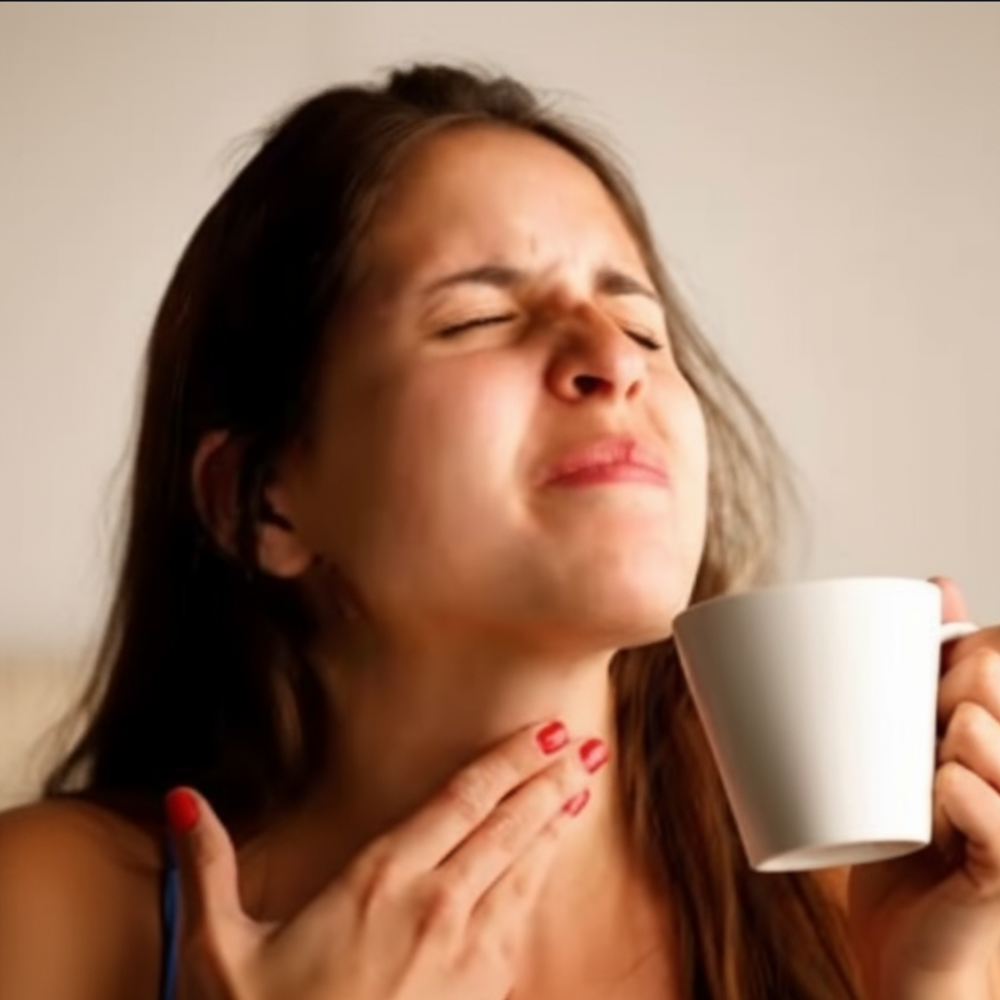
Around 60 to 70 percent of COVID patients report experiencing Razor Throat COVID pain. This happens because the virus enters through the nose, mouth, or throat and begins multiplying in the throat lining. The immune system reacts, leading to swelling, irritation, and pain.
Omicron subvariants, like nimbus, tend to remain in the nose and Razor Throat COVID than deep in the lungs. While this makes sore throat more prominent, it also means fewer people are experiencing the severe pneumonia that marked the early days of the pandemic.
What Makes Nimbus Painful?
Doctors are still researching whether there’s something unique about nimbus that intensifies throat pain. Some believe that prior immunity and vaccines may lead the body to mount an aggressive immune response, particularly in the throat, which is rich in lymph tissue. Others suggest nimbus might be directly better adapted to replicate in the throat, causing sharper discomfort.
Distinguishing COVID Sore Throat From Other Causes
Common Causes of Throat Pain
Because a sore throat is a very nonspecific symptom, it often leads to confusion. Throat pain may also stem from:
- Strep throat (bacterial infection)
- Seasonal allergies
- Acid reflux
- The common cold or flu
- Environmental factors like dry air or smoke
What Doctors Advise
Dr. Michael Lerner, a laryngologist at Yale Medicine, warns patients not to assume it’s just strep: “If your sore throat is very sharp, persistent, or comes with other COVID-like symptoms such as cough, fever, or fatigue, testing is important.”
Taking a rapid at-home COVID test or visiting an urgent care clinic for a Razor Throat COVID swab can help confirm the cause.
How Nimbus Affects Adults vs. Children
At this stage, it’s still uncertain whether nimbus affects children differently. Historically, kids have experienced milder acute symptoms from COVID-19 but remain at risk of long COVID or lingering health issues. Experts highlight that even healthy children without pre-existing conditions can face complications, which makes monitoring symptoms in younger patients vital.
Risk of Severe Outcomes
Similar Risks as Other Variants
Early data indicates that complications from NB.1.8.1 are similar to those of prior variants. People without strong immunity — due to never being vaccinated, not having had COVID before, or waning immunity — may still be at higher risk for severe disease.
- High-risk groups include: older adults, infants, pregnant individuals, and those with weakened immune systems.
- Long COVID remains a concern: lingering symptoms such as fatigue, brain fog, and ongoing cough continue to affect patients months after infection.
The Role of Vaccination
Medical experts emphasize that vaccination still provides solid protection against severe illness and long-term complications. Dr. Lawler stresses that “even with new variants, vaccines reduce hospitalizations and serious outcomes in all age groups.”
Managing a COVID Sore Throat at Home
For most people, the razor throat covid-blade sore throat caused by nimbus can be managed with simple self-care. However, medical treatment may be needed for high-risk individuals.
Medical Treatments for Razor Throat COVID
- Antivirals: Drugs like Paxlovid may be prescribed for elderly or immunocompromised patients.
- Symptom monitoring: Seek medical help if Razor Throat COVID pain becomes severe, swallowing is difficult, or if symptoms persist longer than expected.
Home Remedies for Sore Throat Relief
- Over-the-counter medications: Ibuprofen or acetaminophen can reduce pain and inflammation.
- Stay hydrated: Drinking warm fluids like tea with honey can soothe the throat.
- Use a humidifier: Moist air reduces dryness and pain.
- Try throat lozenges: Products with pectin or xylitol lubricate the throat; avoid menthol if it irritates you.
- Treat nasal congestion: Using saline sprays helps improve airflow, preventing mouth breathing that worsens throat dryness.
Prevention Tips for Nimbus Variant
Stay Updated With Vaccinations
COVID vaccines continue to offer strong protection. Staying up-to-date with booster shots lowers the chance of severe illness and complications.
Practice Smart Hygiene
- Wash hands regularly.
- Masking in crowded indoor spaces may reduce spread, especially during seasonal surges.
- Improve indoor ventilation to lower viral concentration.
Final Thoughts
The nimbus COVID variant (NB.1.8.1) is linked to an unusually sharp and painful sore throat, making it a memorable feature among patients. While most cases can be managed at home, testing is the only way to distinguish between COVID and other causes of throat pain. Vaccination, self-care, and seeking timely medical advice are key to reducing risks.
FAQs
What makes the nimbus variant unique?
Nimbus (NB.1.8.1) is an omicron subvariant known for being highly contagious and better at evading immunity than some earlier strains.
Does nimbus cause different symptoms from other COVID variants?
Most symptoms are similar — sore throat, cough, runny nose, fatigue. However, the severe “razor blade” sore throat reports make it stand out.
How can I tell if my sore throat is COVID or strep?
Only testing can confirm the cause. Strep throat is bacterial, often with fever and no cough. COVID sore throats are frequently accompanied by fatigue, cough, congestion, or fever.
Is nimbus more dangerous than earlier variants?
Current data suggests that risk levels are similar to other omicron strains. The main danger continues to be for unvaccinated or high-risk individuals.
Can children get long COVID from nimbus?
Yes. While many children have milder acute cases, they remain at risk for post-COVID complications, including long COVID.
What treatments are most effective for COVID sore throat?
Supportive measures such as hydration, throat lozenges, humidifiers, and over-the-counter pain relievers help most patients. High-risk individuals may qualify for antiviral treatments.
When should I see a doctor?
Seek medical care if:
- Your sore throat is worsening or not improving after several days.
- Swallowing becomes difficult.
- You experience shortness of breath, dehydration, or high fever.