




Remarkable Facial Treatment That Will Make You Beautiful


Facials refresh and improve the skin—and for good reason. According to Marisa Garshick, MD, a board-certified dermatologist and clinical assistant professor at Cornell University, a facial enhances the overall look and health of your skin.
However, the term “facial” doesn’t describe just one single procedure. Dr. Garshick explains that some facials focus on relaxation—combining massage, creams, and a spa-like experience—while others concentrate on treatment, using powerful skincare ingredients, extractions, or devices to clear pores, remove dead cells, and brighten the complexion.
You can get facials at spas, medical spas, or dermatology clinics. However, not every location offers every type of treatment. In some cases, a physician must supervise certain facials to ensure safety and effectiveness.
Moreover, facials don’t replace dermatologist visits. Regular skin checks or treatments for conditions like acne, psoriasis, or rosacea still need medical attention. Dermatologist Jody Alpert Levine, MD, reminds us that while facials can enhance skin treatments, only licensed physicians can perform medical-grade procedures. Therefore, if you experience persistent issues, consult a dermatologist to identify the best facial for your skin.
If you’re curious about which facial could benefit your skin, here’s a guide to nine popular types that can elevate your skincare routine. Keep in mind that names may differ by spa or clinic, so call ahead if you’re looking for a specific service.
What Are Facial Treatments?
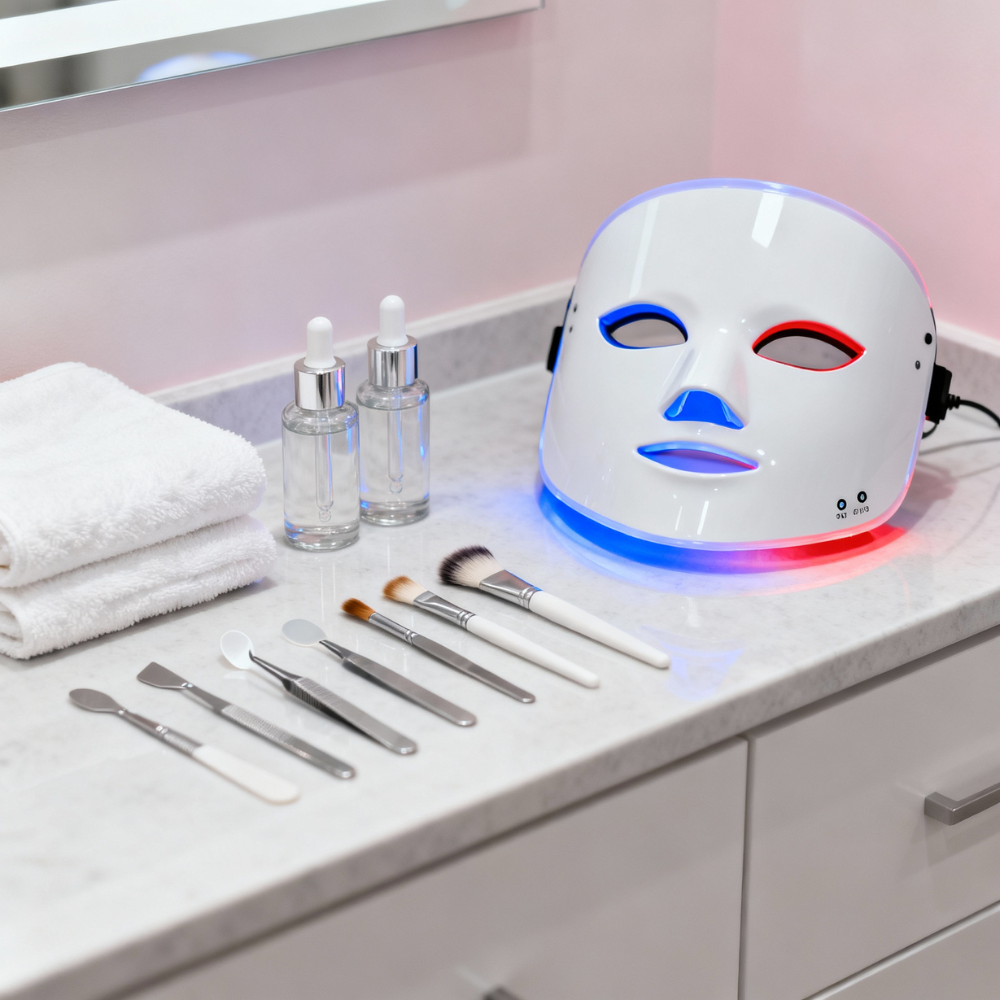
Facial treatments use professional techniques to refresh, correct, and maintain the skin’s health and appearance. They involve cleansing, exfoliation, extraction, hydration, light therapy, peels, and device-based rejuvenation. Additionally, these treatments relax your mind while targeting concerns such as congestion, dullness, uneven tone, fine lines, breakouts, and dehydration.
How Facial Treatments Work
Most facial treatments follow a sequence that includes skin analysis, deep cleansing, tailored exfoliation, optional extractions, targeted techniques (like LED therapy or serums), and a final layer of hydration with SPF. Skilled providers adjust each step to suit your skin type and goals. As a result, these treatments work well for sensitive, oily, combination, mature, or dry skin.
1. Classic Facial
This traditional facial includes cleansing, exfoliation, hydration, and sometimes extractions to open clogged pores. Also known as “deep cleansing” or “hydrating” facials, they adapt easily to your skin type and leave it fresh and radiant. However, the results typically last a short time. People with sensitive skin should confirm that providers use mild products.
2. LED Light Therapy Facial
This facial harnesses specific light wavelengths to address skin issues. Red light boosts collagen and smooths fine lines, while blue light targets inflammation and acne bacteria. Each painless session takes about 20 minutes. For longer-lasting results, clients usually schedule multiple sessions and maintain progress with at-home LED devices.
3. Microneedling
Microneedling uses fine needles to create micro-injuries that stimulate collagen and elastin production. This process reduces acne scars, fine lines, and dark spots. It suits most skin types and helps the skin naturally rebuild itself, leaving a firmer texture.
4. IPL Photofacial
Intense Pulsed Light (IPL) therapy reduces discoloration and redness from sun exposure, freckles, and broken blood vessels. Nonetheless, those with melasma should avoid it since it can worsen pigmentation. A full series delivers the best outcome.
5. Hydrafacial
The Hydrafacial combines cleansing, suction-based extraction, and hydration infusion in one treatment. It removes impurities, moisturizes the skin, and evens tone. Although safe for most skin types, people with severe acne or rosacea should avoid it. Pregnant individuals should always consult a doctor before scheduling this treatment.
6. Chemical Peel
Chemical peels exfoliate the skin with acids like glycolic or salicylic acid. They strip away dead cells to reveal smoother, brighter skin. Mild peels produce subtle freshness, while stronger ones achieve dramatic improvements but require downtime for healing.
7. Firming or Sculpting (Microcurrent) Facial
These facials lift and tighten the skin through massage, electricity, or radiofrequency. They define contours and enhance firmness, though maintenance sessions sustain the effects. Ask your provider which specific devices they use for best results.
8. Microdermabrasion
Microdermabrasion exfoliates with fine crystals that polish away the top layer of dead cells. It gives an instant glow but may irritate sensitive skin, so it’s not ideal for everyone.
9. Dermaplaning
In dermaplaning, a specialist gently glides a surgical blade over the skin to remove dead cells and peach fuzz. The skin appears smoother and brighter. Those with dry or easily irritated skin should opt for oilplaning, where professionals use oil to reduce friction and prevent redness.
Conclusion
Facial treatments deliver more than just relaxation; they rejuvenate and target unique skin concerns. From classic facials and Hydrafacials to advanced techniques like microneedling and chemical peels, every skin type can benefit. However, facials work best as part of—not a substitute for—regular dermatological care. Choose a licensed provider who can customize your treatment, ensuring you achieve glowing, healthy skin that lasts.
FAQs
1. What exactly is a facial treatment?
A facial treatment professionally cleanses, exfoliates, hydrates, and rejuvenates the skin to enhance appearance and address concerns like acne, fine lines, and dryness.
2. Are all facials the same?
No. Some prioritize relaxation, while others use active ingredients and devices to treat specific skin conditions.
3. Where can I get a facial done?
You can book facials at spas, medical spas, or dermatologists’ offices. Always choose professional care for advanced procedures such as microneedling or IPL.
4. Can facials replace dermatologist visits?
They cannot. Facials improve your skin’s appearance but cannot replace medical treatments for conditions like acne or rosacea.
5. Which facial gives the best glow?
Classic facials, Hydrafacials, and dermaplaning provide an immediate, luminous finish with regular maintenance.
6. What helps reduce fine lines?
LED therapy, microneedling, chemical peels, and microcurrent facials stimulate collagen and minimize wrinkles over time.
7. Can facials treat acne scars?
Yes. Microneedling, chemical peels, and certain exfoliating facials can help fade acne scars by encouraging new cell growth.
8. Are facials safe for sensitive skin?
Yes, if you select gentle, hydrating facials. Harsh treatments like strong peels or rough exfoliation might cause irritation, so always talk to your provider first.
9. How often should I get a facial?
Many experts recommend one every four to six weeks. Consistent treatments maintain results and improve long-term skin health.