





Somatic Stretching Breakthrough: A Proven Way to Overcome Pain and Feel Empowered


If you often experience stiffness in your neck, lower back, or wrists (especially if you spend long hours at a desk), somatic stretching may be the gentle practice your body has been craving. Unlike traditional stretching, which focuses on pulling and lengthening muscles, somatic stretching is about building awareness, noticing sensations, and letting the body naturally release tension.
This practice is part of the larger field of somatic movement, which emphasizes presence, body awareness, and gentle control of motions instead of forcing the body into specific positions.
What Is Somatic Stretching?
Somatic stretching is a unique approach to movement that focuses less on physically pushing your muscles into stretching positions and more on retraining your nervous system to let go of unnecessary tension. The word “somatic” comes from the Greek word soma, meaning “the living body.” This highlights its central philosophy: the body and mind are deeply connected, and movement practices should involve awareness of how you feel internally.
Unlike traditional stretching — such as a hamstring stretch or quad pull — somatic stretching uses small, intentional movements and mindful awareness. The idea is to notice sensations in the muscles and then allow them to gradually soften rather than forcefully elongate.
Somatic Stretching vs. Traditional Stretching
To understand why somatic stretching feels different, let’s compare it to traditional methods:
| Feature | Traditional Stretching | Somatic Stretching |
| Goal | Lengthen muscles, improve range of motion | Release tension, retrain nervous system |
| Technique | Holding static positions or using forceful pulls | Gentle, slow, mindful movements |
| Focus | External (achieving a posture) | Internal (awareness of sensations) |
| Example | Pulling heel to glutes to stretch quads | Lifting and releasing a leg slowly while observing sensations |
| Result | Short-term flexibility | Long-term release, improved mobility, reduced pain |
This difference explains why some practitioners prefer not to label it as “stretching” at all. Instead, they see it as re-educating the body and nervous system.
How Somatic Stretching Works
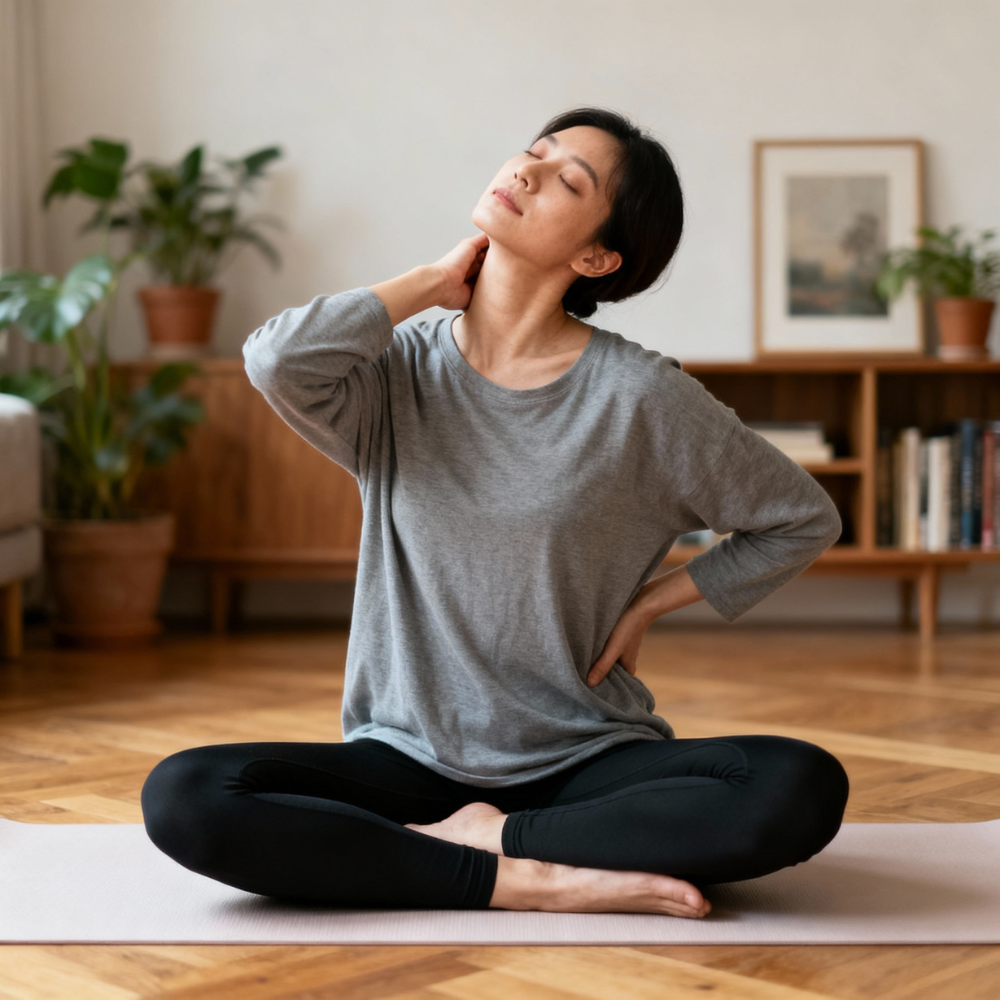
The foundation of somatic stretching lies in pandiculation, which is an involuntary action the body naturally performs. Think of a yawn or the way animals stretch when they wake up: they contract muscles, then slowly release them with awareness. By mimicking this process, somatic stretching helps “reset” the brain’s communication with muscles.
Over time, stress, trauma, repetitive activities, or even sitting for long periods can teach the nervous system to constantly keep certain muscles contracted. While this serves as a protective mechanism, it eventually leads to pain, stiffness, and restricted movement.
Somatic stretching retrains the body by:
- Encouraging contraction and release patterns instead of static holding.
- Teaching the brain to relax muscles at rest, rather than tightly gripping all the time.
- Improving awareness so you can notice tension before it builds into chronic pain.
Benefits of Somatic Stretching
Although scientific research into somatic stretching is limited, anecdotal evidence and practitioner experiences suggest a wide range of benefits:
- Improved Posture: Regular practice helps release unnecessary muscular tension that pulls the body out of alignment.
- Enhanced Mobility and Flexibility: Unlike forcing flexibility, somatic release restores natural ease of motion.
- Reduced Chronic Pain: By unwinding long-held patterns, the body feels lighter and freer.
- Stress Reduction: Because it calms the nervous system, many practitioners report mental relaxation in addition to physical ease.
- Better Balance and Coordination: By reconnecting with muscle sensations, you move more mindfully.
- Increased Mind-Body Awareness: Recognizing subtle signals from the body improves overall well-being.
- Support for Healthy Aging: Gentle, mindful mobility work lowers the risk of stiffness and injury over time.
Is Somatic Stretching Safe?
Generally, somatic practices are safe because they emphasize listening to your body rather than forcing it. However, a few precautions should be noted:
- Always move slowly and stop if you feel pain.
- If you have a medical condition, chronic illness, or past injuries, consult a healthcare professional first.
- Individuals with a history of trauma may need extra support from a trauma-informed practitioner, since reconnecting with body sensations can sometimes feel challenging.
The golden rule: never push or force movements. The strength of somatic work lies in gentleness and awareness.
Five Simple Somatic Stretches for Beginners
Here are easy practices to get started. Each should be repeated for about five minutes daily to develop awareness and release tension.
Standing Awareness
- Stand with feet grounded, spine tall.
- Take slow, deep breaths.
- Notice how muscles in your feet, abs, and back respond.
- Scan your body from head to toe, finding tension spots.
Hang Your Head
- Stand tall, feet planted.
- Let your head slowly fall forward.
- Observe how your neck, shoulders, and upper back feel.
- Let go of tightness through slow breathing.
Arch and Flatten
- Lie on your back with knees bent, feet flat.
- Slowly arch your lower back, then gently flatten it against the floor.
- Move gradually, noticing muscles in your core and back.
Iliopsoas Release
- Lying on your back, lift one leg slightly along with your head.
- Feel your hip and lower back muscles engage.
- Slowly release and repeat on the other side.
Carpal Tunnel Exercise
- Lie on your side with arms and legs bent.
- Move your top arm gently over your head, then guide your head upward.
- Notice sensations in your waist, wrists, and shoulders.
- Slowly release and repeat on both sides.
Other Somatic Practices to Explore
Somatic stretching is just one path to cultivating body awareness. Other approaches include:
- Yoga (gentle, mindful styles complement somatic work)
- Feldenkrais Method (improves movement through awareness)
- Trager Approach (gentle rocking motions for release)
- Dance-based practices like 5Rhythms or Soul Motion
- Continuum Movement (fluid, wave-like motions to free the body)
Each method shares a similar principle: through mindful movement, the body finds balance, release, and freedom.
Key Takeaway
Somatic stretching is more than a set of exercises — it’s a way of becoming more aware of how you move and how your muscles feel, so your body can naturally let go of unnecessary tension. It offers not only physical relief but also supports mental balance and resilience.
Rather than focusing on achieving perfect form, it encourages you to listen deeply to your body. Whether you’re recovering from pain, dealing with stress, or simply want to move with more freedom, this approach can be a transformative addition to your daily routine.
FAQs
1. How is somatic stretching different from yoga?
While some yoga styles are gentle and awareness-driven, many emphasize holding poses or achieving flexibility goals. Somatic stretching focuses less on shapes and more on the process of sensing and releasing tension.
2. How long should a somatic stretching session last?
Beginners can start with just 15–20 minutes. Even a few mindful exercises daily can make a noticeable difference.
3. Can somatic stretching help with chronic back pain?
Yes. Many practitioners report significant relief because the method retrains the nervous system to release tension in deeply held areas, such as the lower back.
4. Do I need equipment to practice somatic stretching?
No. Most exercises only require space to lie down or stand. A yoga mat can provide comfort, but it isn’t necessary.
5. Can older adults benefit from somatic stretching?
Absolutely. Since the movements are gentle and don’t involve forcing muscles, this practice is safe and effective for older adults who want to maintain mobility and independence.
6. Is somatic stretching good for athletes?
Yes. Athletes often hold tension from repetitive training. Somatic methods can improve performance by restoring natural movement and preventing injuries.
7. Can I practice somatic stretching every day?
Yes. Because the movements are gentle, daily practice is safe. In fact, consistency is key to noticing long-term improvements.
8. Will somatic stretching replace my regular stretching routine?
It doesn’t necessarily replace traditional stretching but complements it. Many people combine both approaches for maximum mobility and muscle balance.
9. Can somatic stretching improve mental well-being?
Yes. Because it quiets the nervous system and helps you release stored stress, many people feel calmer, more focused, and less anxious after practicing.
10. Do I need an instructor or can I learn online?
While guided classes are helpful, many beginners successfully learn through videos, articles, and self-practice. If you have health challenges or trauma history, working with a trained practitioner is recommended.