





What Is Guar Gum? The Powerful Secret Hidden in Everyday Foods


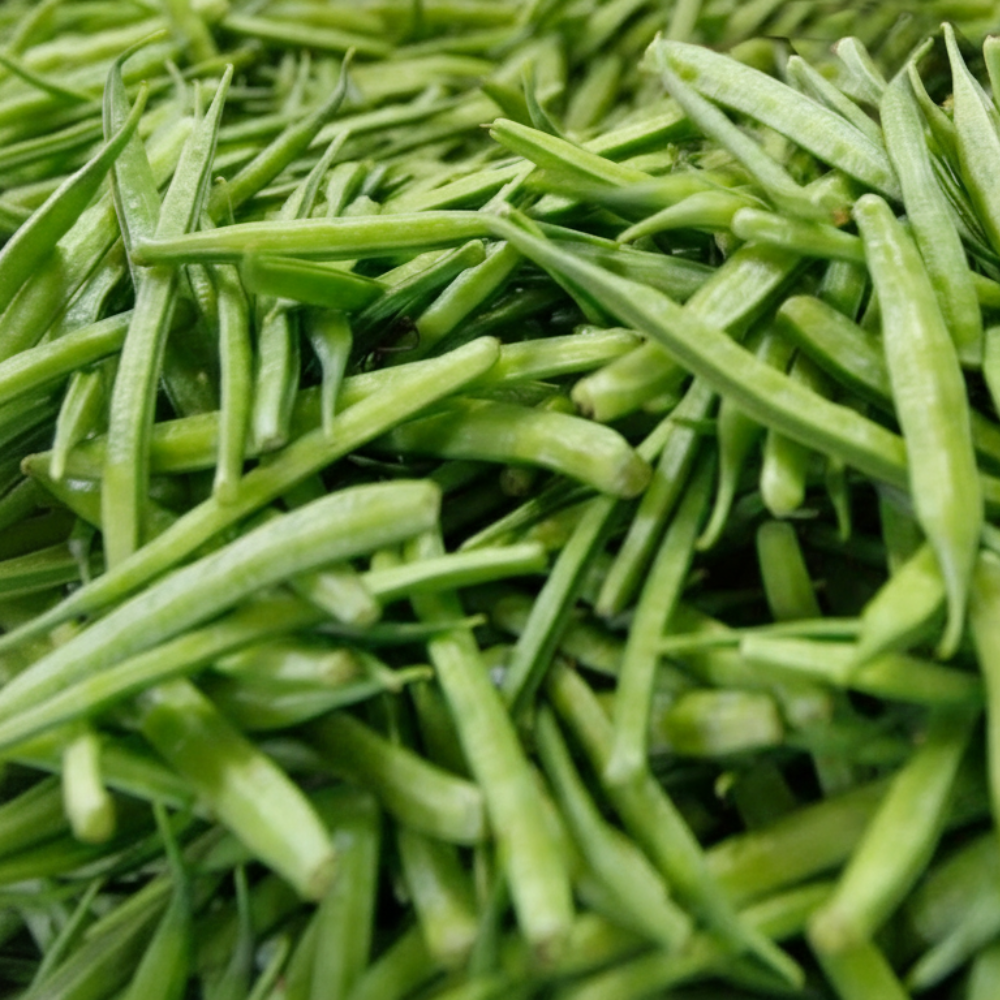
What is guar gum derived from the ground seeds of the guar bean, also called the Indian cluster bean. In the food industry, it serves as a thickener, emulsifier, and binder, appearing in soups, stews, yogurt, marinades, ice cream, and even plant-based milks such as almond, coconut, soy, and hemp varieties. While it offers several potential benefits, consuming too much can also lead to unpleasant side effects.
What Is Guar Gum?
The International Food Additives Council explains that guar gum is produced by husking, milling, and sorting guar beans before grinding them into a fine powder. As a polysaccharide, it is made up of the sugars galactose and mannose, giving it unique properties such as rapid solubility in water, stability across different pH levels, and biodegradability. These traits also make it useful in cosmetics, pharmaceuticals, and certain industrial applications.
Research published in 2025 notes that guar gum is eight times more effective than cornstarch at thickening. It can withstand freezing, thawing, and heating, making it especially versatile. The U.S. Food and Drug Administration (FDA) recognizes guar gum as generally safe to consume, though the Code of Federal Regulations sets maximum levels permitted in foods—for example, up to 0.35% in baked goods and up to 2% in processed vegetables and vegetable juices.
What is guar gum low in calories and high in fiber, it may help reduce hunger, support weight control, regulate blood sugar, and lower cholesterol, which in turn can decrease risks of heart disease and diabetes. One 2024 study found that guar gum supplements improved constipation in individuals with irritable bowel syndrome (IBS).
Guar Gum and Gluten
Gluten, the protein in wheat, is what gives bread its elasticity and chew. However, people with celiac disease or gluten intolerance often need to avoid it. Guar gum can function as a substitute for gluten, improving the texture of baked goods without triggering harmful reactions in those with gluten sensitivities.
Still, relying heavily on guar gum in a gluten-free diet can pose problems. The National Celiac Association points out that large amounts may cause bloating, gas, or changes in bowel habits. If gastrointestinal issues arise, checking food labels for gums like guar or xanthan is worthwhile. Additionally, the American Council on Exercise warns that excessive use of guar gum in diet pills can form gels in the digestive tract, with the potential to block the esophagus or intestines.
Other Common Food Gums
Besides guar gum, several other gums are used as additives in processed foods:
- Carrageenan gum: Extracted from seaweed, carrageenan is often found in nondairy milks, ice cream, cottage cheese, and similar foods as a thickener and emulsifier. Despite controversy, current evidence does not link it to cancer or severe digestive conditions.
- Xanthan gum: Produced from fermented bacteria on leafy greens such as broccoli, kale, and cabbage. Large doses may trigger digestive issues, but the small amounts typically found in foods are considered safe.
- Locust bean (carob) gum: Derived from carob beans, this gum stabilizes textures in foods. Overconsumption, however, may result in bloating or intestinal gas.
- Acacia (gum arabic): Obtained from the sap of the acacia tree, it acts as a prebiotic. Research from 2023 shows it can encourage the growth of beneficial gut bacteria, making it one of the healthier gum additives.
Key Takeaway
If you follow a gluten-free diet or consume products containing guar gum or other gums, pay attention to how your body responds. Some people tolerate these additives well, while others experience digestive discomfort. When in doubt, consult with a healthcare provider to determine which food choices best support your health.
FAQs
Is guar gum safe to eat every day?
Yes, guar gum is safe to consume daily in small amounts. The FDA lists it as “Generally Recognized as Safe” (GRAS). However, large amounts may lead to digestive discomfort.
Can guar gum help with weight loss?
Indirectly, yes. Guar gum is a source of fiber, which can create a feeling of fullness and reduce appetite. However, relying solely on guar gum without lifestyle changes will not produce significant weight loss.
Is guar gum natural or artificial?
Guar gum is a natural additive. It is derived from the seeds of the guar bean plant. The only processing involves husking, milling, and grinding the seeds into a fine powder.
Is guar gum gluten-free?
Absolutely. Guar gum contains no gluten and is frequently used in gluten-free recipes to replicate the elasticity usually provided by wheat gluten.
Is guar gum vegan-friendly?
Yes, guar gum is completely vegan since it is derived from plants, making it suitable for both vegetarian and vegan diets.
What foods commonly contain guar gum?
You’ll often find guar gum in baked goods, frozen desserts, yogurts, sauces, salad dressings, soups, plant-based milks, and gluten-free foods.
Why is guar gum used instead of cornstarch?
Guar gum is up to eight times as effective as cornstarch as a thickener. This allows manufacturers to use less additive while achieving the same texture.
Can guar gum cause allergies?
Allergies to guar gum are extremely rare. The side effects most people experience are digestive issues (gas, bloating, or laxative effects) due to overconsumption rather than allergic reactions.
How much guar gum is safe to consume?
According to regulatory guidelines, the amount varies depending on the food type. For baked goods, levels of 0.35% are permitted, while processed vegetables allow up to 2%. For home use, very small quantities (about 1 teaspoon in recipes) are usually safe.
Is guar gum better than xanthan gum?
Both gums have similar purposes, but guar gum is more effective in cold foods like ice cream, while xanthan gum is better for baking. Often, they are used together for optimal texture in gluten-free recipes.