A pregnancy diet chart month by month is simple once you know one rule: you do not need to “eat for two”. In months 1–3 you need no extra calories, just folic acid and good-quality food; from month 4 you need about 340 extra kcal a day and more protein; and in months 7–9 about 450 extra kcal a day. Below is a month-wise pregnancy diet with Indian foods, a sample day’s menu, and the foods to skip.
How your diet changes across pregnancy
Your baby’s needs grow slowly, not all at once. That is why the biggest changes in your plate come in the second and third trimesters. On PayToHealth we use the NHS way of dividing pregnancy: the first trimester is weeks 1–12, the second is weeks 13–27 and the third is weeks 28–40. Months are approximate, so if you are unsure which week you are in, check with our pregnancy week calculator.
| Stage | Extra energy per day | Key nutrients | What it looks like on an Indian plate |
|---|---|---|---|
| 1st trimester (weeks 1–12, months 1–3) | About 0 extra kcal | Folic acid 400 mcg supplement; iron; vitamin B12 | Your normal balanced meals; small, frequent snacks if you feel sick |
| 2nd trimester (weeks 13–27, months 4–6) | About 340 extra kcal | About 25 g extra protein; iron 27 mg; calcium | One extra snack such as a bowl of dal with a roti, or curd with fruit and nuts |
| 3rd trimester (weeks 28–40, months 7–9) | About 450 extra kcal | Protein, iron, calcium, fibre, fluids | Two healthy extra snacks, e.g. paneer sandwich and a glass of milk |
These figures come from ACOG and the US Institute of Medicine. The NHS makes the same point in plain words: you do not need to eat for two, even with twins. Your doctor may adjust things if you are underweight, overweight, carrying twins or have a condition such as anaemia or diabetes. For a ready-made plan that fits your trimester and food style, try our free pregnancy diet plan generator.
Pregnancy diet chart month by month (Indian food guide)
Month 1 (about weeks 1–4)
Many women do not know they are pregnant yet, which is why doctors advise taking a folic acid supplement (400 mcg a day) ideally from about three months before trying. It helps protect the baby’s developing brain and spine. Keep eating a balanced diet: dal, roti, rice, seasonal sabzi, curd and fruit. Stop alcohol completely.
Month 2 (about weeks 5–8)
Nausea and food aversions often start now. Eat small meals every two to three hours rather than three big ones. Dry snacks such as khakhra, plain toast, murmura or a few crackers before getting out of bed can help. Try ginger in tea or food, lemon water, coconut water and cold curd rice. If you cannot keep any food or fluids down, see a doctor quickly.
Month 3 (about weeks 9–12)
Keep taking folic acid. Start building iron stores with green leafy vegetables (palak, methi, bathua), rajma, chana, lobia, roasted til (sesame), and eggs or meat if you eat them. Add vitamin C (amla, lemon, guava, orange, tomato) to the same meal to help your body absorb iron from plant foods, and keep tea and coffee away from mealtimes.
Month 4 (about weeks 13–17)
Energy often comes back, and so does your appetite. This is when you add about 340 kcal a day and roughly 25 g of extra protein. In Indian terms that could be an extra katori of dal with a roti, a paneer or egg sandwich, or a bowl of sprouts chaat and a glass of milk. Iron needs in pregnancy rise to 27 mg a day, so keep iron foods at most meals and take any tablets your doctor prescribes.
Month 5 (about weeks 18–22)
Your anatomy scan usually happens between 18 and 22 weeks. Focus on calcium for your baby’s bones: milk, curd, paneer, ragi, til and green leafy vegetables. If you eat fish, the NHS suggests two portions a week, one of them oily (such as salmon, sardines or mackerel), but no more than two portions of oily fish a week. Vegetarians can add walnuts, flaxseed and chia.
Month 6 (about weeks 23–27)
The glucose test for gestational diabetes is usually done at 24–28 weeks. Whether or not you are at risk, choose slower carbs: millets, whole-wheat roti, brown or basmati rice in small portions, and always pair carbs with dal, curd, paneer or eggs. Cut back on sweets, sweet tea, packaged juice and mithai. If you are diagnosed with gestational diabetes, your doctor will guide your treatment and a dietitian can help you plan meals.
Month 7 (about weeks 28–31)
The third trimester starts, and extra needs rise to about 450 kcal a day. Heartburn and feeling full quickly are common as the baby grows. Eat five or six smaller meals, avoid lying down right after eating, and go easy on very spicy, oily and fried food.
Month 8 (about weeks 32–35)
Constipation and swelling can bother you. Eat plenty of fruit and vegetables, which provide fibre that helps digestion. Choose whole grains, soaked raisins or figs, papaya only if fully ripe and your doctor is happy, and drink water through the day. Keep salty pickles, papad and namkeen small.
Month 9 (about weeks 36–40)
Keep meals light, regular and easy to digest: khichdi, dalia, idli, upma, dal-rice, curd and fruit. Keep healthy snacks ready in your hospital bag. Traditional foods such as ghee, dry fruits and panjiri are fine in sensible amounts, but no food is proven to guarantee an easy or early delivery.
Sample Indian diet plan for pregnancy (one day)
Here is how a second- or third-trimester day can look. In the first trimester, simply skip one of the snacks.
| Time | Vegetarian | Non-vegetarian option |
|---|---|---|
| Early morning | A glass of milk and a few soaked almonds and walnuts | Same |
| Breakfast | Vegetable poha or upma with a bowl of curd | Vegetable omelette (fully cooked) with 2 multigrain toasts |
| Mid-morning | Fruit (guava, orange or banana) and roasted chana | Same |
| Lunch | 2 rotis, dal, palak paneer, salad, rice in a small katori | 2 rotis, dal, chicken curry, salad, small katori rice |
| Evening | Sprouts chaat or paneer sandwich; ragi or besan ladoo occasionally | Egg sandwich or boiled egg chaat |
| Dinner | Moong dal khichdi with vegetables, kadhi or raita | Fish curry (low-mercury fish, well cooked), roti, sabzi |
| Bedtime (if hungry) | Warm milk or a small bowl of curd | Same |
Outside India? Easy swaps include oatmeal with fruit and nuts, Greek yogurt, lentil or bean soups, wholegrain sandwiches with cooked chicken or cheese, and baked salmon once or twice a week.
Month-wise pregnancy diet: key nutrients and Indian sources
- Folic acid: supplement of 400 mcg daily in early pregnancy, plus food sources such as green leafy vegetables, chana, rajma, oranges and fortified cereals.
- Iron (27 mg a day): palak, methi, rajma, lobia, masoor, soya, poha (made with a squeeze of lemon), eggs, chicken and fish. Anaemia is very common in India (NFHS-5 found 57% of women aged 15–49 anaemic), so get your haemoglobin checked as your doctor advises.
- Protein: dal, chana, paneer, curd, milk, tofu, soya, eggs, chicken and fish.
- Calcium: milk, curd, paneer, ragi, til and green leafy vegetables.
- Fibre and fluids: fruit, vegetables, whole grains and water, to help with constipation.
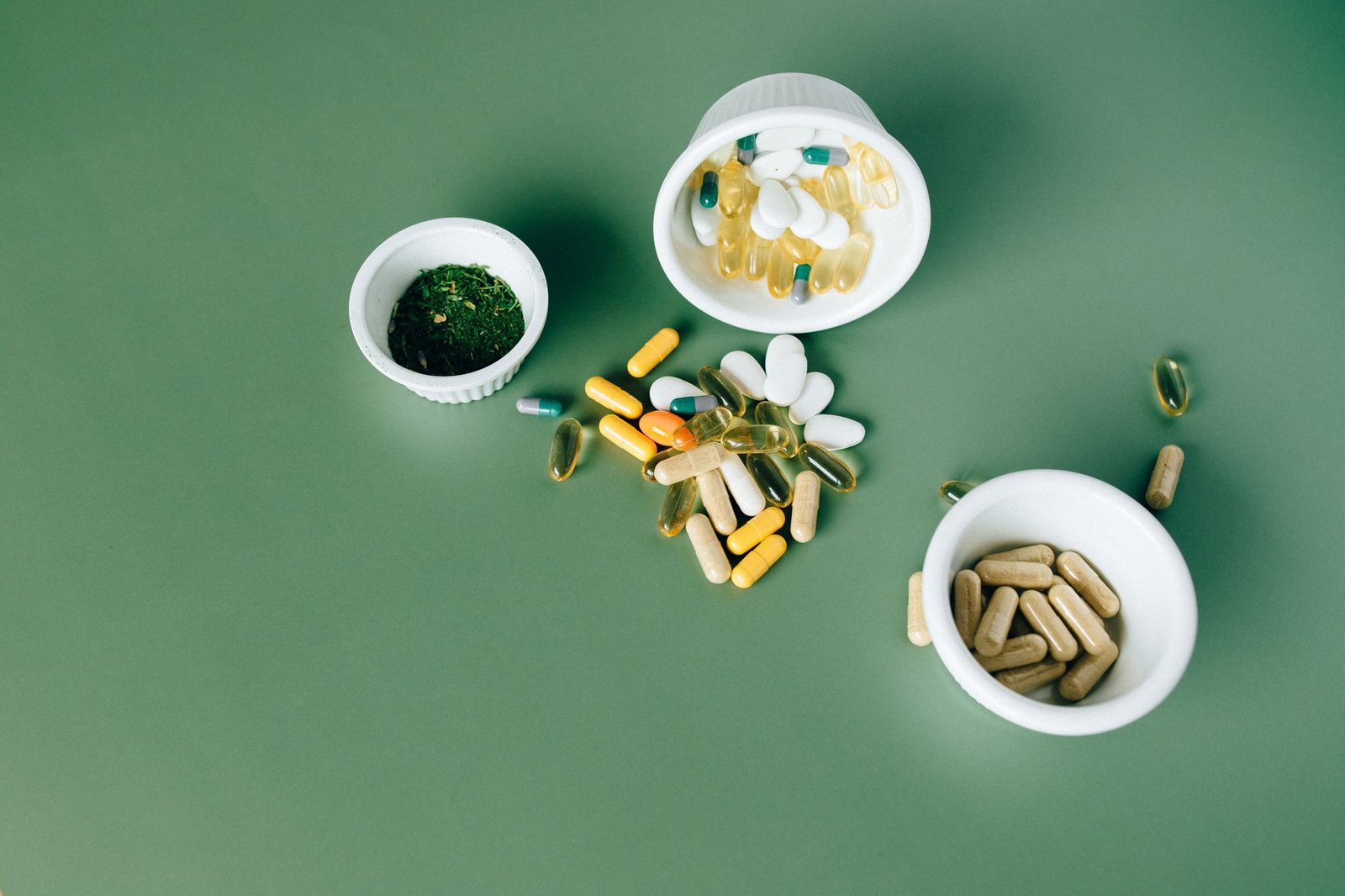
Take only the supplements your doctor prescribes. Some supplements, such as high-dose vitamin A, are not safe in pregnancy.
Foods to limit or avoid in every month
Some foods carry a risk of infection or harm to the baby. According to the NHS, avoid or limit:
- Alcohol: the safest choice is none at all.
- Caffeine: no more than 200 mg a day. The NHS says a cup of instant coffee has about 100 mg and a cup of tea about 75 mg, so two to three cups of tea can reach the limit. Energy drinks and cola also count.
- Raw or undercooked eggs, meat and fish: cook eggs until the yolk and white are firm, and cook meat until there is no pink.
- Unpasteurised milk and products, and soft mould-ripened or blue cheeses unless cooked until steaming hot. Boil loose milk from the dairy.
- Liver and liver products, because of their very high vitamin A.
- High-mercury fish: shark, swordfish and marlin. Limit tuna.
- Raw or unripe papaya and street foods that may not be hygienic, such as cut fruit or pani puri made with unclean water.
We cover every item, with reasons, in our full guide to foods to avoid during pregnancy.
Healthy weight gain and common food myths
How much weight you gain depends on your weight before pregnancy. The Institute of Medicine (2009) recommends:
- Underweight before pregnancy: 12.5–18 kg (28–40 lb)
- Healthy weight: 11.5–16 kg (25–35 lb)
- Overweight: 7–11.5 kg (15–25 lb)
- Obese: 5–9 kg (11–20 lb)
Most women gain only 0.5–2 kg in the whole first trimester, and most of the gain comes later, which is why a pregnancy diet chart month by month adds food gradually. Check your personal range with our pregnancy weight gain calculator, and tell your doctor if you gain or lose weight very quickly. Pregnancy is not the time for a weight loss diet.
Common Indian pregnancy food myths
“Eat for two.” You need little or no extra food in the first three months, and only a snack or two extra later on.
“Ghee makes delivery easy.” Ghee is a normal part of Indian food and fine in small amounts, but there is no good proof that extra ghee makes labour easier. Too much adds weight quickly.
“Saffron milk makes the baby fair.” A baby’s skin colour comes from genes, not food.
“Avoid all ‘hot’ foods.” Normal portions of well-cooked everyday foods are generally fine. Ask your doctor about any specific food you are worried about rather than cutting out whole food groups.
Make it personal: get a free 7-day plan for your trimester, weight and food preferences (veg, egg, non-veg or Jain) with our pregnancy diet plan generator.
Frequently asked questions
How many extra calories do I need in each month of pregnancy?
In months 1–3 (the first trimester) you need about no extra calories. In months 4–6, you need about 340 extra kcal a day, and in months 7–9 about 450 extra kcal a day. That is roughly one or two healthy snacks, such as dal with a roti or curd with fruit, not double portions of every meal.
Which Indian foods are best in the first three months of pregnancy?
Choose simple, easy-to-digest foods: dal, roti, rice, khichdi, curd, seasonal vegetables, fruits and well-cooked eggs if you eat them. Small frequent meals and dry snacks help with nausea. Take a folic acid supplement every day. Our guide to the first trimester diet covers this stage in detail.
How much tea or coffee can I have while pregnant?
Keep caffeine under 200 mg a day. The NHS lists about 75 mg in a cup of tea and about 100 mg in a cup of instant coffee, so two cups of tea or one to two cups of instant coffee is usually within the limit. Remember that cola, energy drinks and chocolate also contain caffeine.
Can I eat papaya and pineapple during pregnancy?
Avoid raw or semi-ripe papaya. Many Indian doctors also advise caution with ripe papaya, so ask yours. Normal food portions of pineapple are eaten by many pregnant women, but if you are worried or have had complications, check with your doctor before eating it.
Do I need a special diet if I am vegetarian and pregnant?
A vegetarian Indian diet can meet pregnancy needs with planning. Include dal or legumes at two meals, dairy every day, nuts and seeds, and iron-rich greens with vitamin C. Ask your doctor about vitamin B12 and iron tests, because vegetarians are more likely to run low in these.
Sources
- ACOG – Healthy eating during pregnancy
- NHS – Have a healthy diet in pregnancy
- NHS – Foods to avoid in pregnancy
- Institute of Medicine (2009) – Weight gain during pregnancy: reexamining the guidelines
- NIH Office of Dietary Supplements – Iron fact sheet
This article is for general information and is not a substitute for medical advice. Please talk to your doctor or a registered dietitian about your own health, especially if you are pregnant, breastfeeding or have a medical condition.
Clear, judgement-free explainers on the health questions women actually ask.
Medical disclaimer. This article is for general information and is not a substitute for professional medical advice, diagnosis or treatment. If you have symptoms or concerns, please see a qualified doctor.
Leave a Reply